
Views: 0 Author: Site Editor Publish Time: 2026-06-30 Origin: Site


Specifying the wrong architectural or industrial metal can result in project-halting delays. Inconsistent facade coloring or premature surface corrosion often plagues large-scale developments. These material failures compromise both structural integrity and design vision. For high-volume manufacturing and major architectural projects, selecting the right metal requires moving beyond basic aesthetic preferences. You must carefully evaluate metallurgical compatibility, anodic coating classifications, and continuous-process consistency. Failing to do so invites structural streaking, micro-cracking, and costly material rejection.
This guide provides a definitive framework for evaluating material specifications. You will discover how to mitigate fabrication risks before production begins. We also outline how to properly shortlist qualified supply partners to ensure consistent, high-quality deliverables. By aligning your alloy choice with precise processing capabilities, you guarantee a flawless finish that withstands rigorous environmental demands.
Alloy dictates outcome: Specifying "Anodize Quality" (AQ) alloys—primarily 5xxx series—is non-negotiable to prevent structural streaking and color variations.
Thickness requires balance: Formability decreases as anodic layer thickness increases; structural bends must be calculated prior to specifying exact coating depth to prevent micro-cracking (crazing).
Process determines consistency: Continuous coil anodizing offers superior color uniformity across high-volume runs compared to traditional batch anodizing.
Verify compliance: Always benchmark vendor claims against standardized testing matrices, such as AAMA 611 for architectural applications.
The final appearance of your metal relies heavily on the chemical composition of the raw material. A common procurement error is focusing solely on the surface treatment. Buyers often forget to validate the base substrate. This oversight leads to compromised finishes and rejected batches.
Anodize Quality (AQ) vs. Standard Alloys
Standard alloys often contain higher impurity levels. They react unpredictably to the electrolytic process. Non-Anodize Quality (AQ) metals frequently yield inconsistent finishes. You might see dull patches, structural grain show-through, or severe color variations. Strict metallurgical controls are mandatory. Anodize Quality alloys restrict elements like silicon, iron, and manganese. This purification ensures a flawless, uniform finish. When impurities precipitate during anodizing, they create dark spots or streaks. AQ certification guarantees the grain structure remains homogenous.
Optimizing the Alloy Series for the Application
Choosing the correct aluminum series prevents processing failures. We categorize the standard series based on their anodic compatibility.
5xxx Series (e.g., 5005 AQ): This is the industry standard for architectural applications. It offers excellent finishing characteristics. The inclusion of magnesium enhances strength without sacrificing finish quality. You get exceptional color uniformity across massive production batches.
3xxx Series: Consider this for standard industrial applications. It works well when cosmetic perfection is less critical. Manganese content makes it slightly harder to anodize perfectly, but it remains a viable, durable option for functional parts.
Avoidance List: Avoid the high-copper 2xxx series entirely for continuous coil processing. The copper content reacts aggressively during the acid bath. It exhibits terrible corrosion resistance post-treatment and produces a porous, unstable oxide layer.
Alloy Series | Primary Alloying Element | Anodizing Suitability | Typical Application |
|---|---|---|---|
5xxx (AQ) | Magnesium | Excellent | Architectural facades, premium electronics |
3xxx | Manganese | Good | Industrial panels, functional housings |
2xxx | Copper | Poor | Aerospace structural parts (un-anodized) |
Specification requires calculating two distinct dimensions. You must define the physical gauge of the sheet. You also need the micron-level depth of the anodic oxide layer. Both dimensions directly impact structural integrity and fabrication limits. Specifying the correct anodized aluminium thickness ensures the material performs flawlessly in its intended environment.
You must evaluate load-bearing requirements against weight restrictions. Heavier gauges support structural loads but increase overall weight. Identify standard continuous coil width capabilities early. Typical widths dictate your nesting efficiency. Maximum master coil widths influence scrap rates and overall project yield. Proper width selection minimizes waste during stamping or panel cutting. If a continuous line maxes out at 48 inches, designing a 50-inch panel forces you into costly batch processing.
Different environments demand different levels of protection. The AAMA (American Architectural Manufacturers Association) provides clear guidelines.
AAMA Standard Anodic Coating Classes | ||
Coating Class | Minimum Thickness | Environmental Recommendation |
|---|---|---|
Class I | 18 microns (0.7 mil) | Exterior, high-traffic, coastal zones, severe UV exposure. |
Class II | 10 microns (0.4 mil) | Interior applications, low-exposure exteriors, storefronts. |
The Formability Trade-off
There is a direct inverse relationship between anodic layer depth and bendability. Thicker anodic layers become incredibly hard. They are naturally more brittle. This increases the risk of crazing during brake forming or roll forming. Crazing refers to microscopic cracks along the bend radius. You must calculate structural bends prior to specifying exact coating depths. A Class I finish requires a significantly larger bend radius than a raw aluminum sheet. Always match your fabrication tooling to the hardness of the final specified layer.
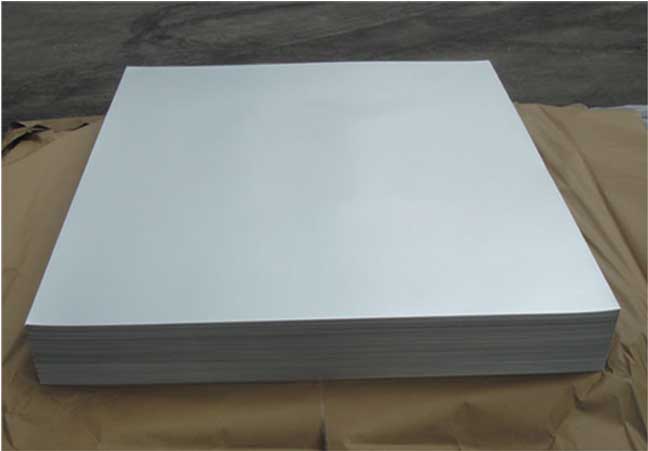
Procurement teams often compare processing methods. They weigh continuous coil anodizing against batch anodizing or painted finishes. Decision-makers require clear performance data to justify their selection. Selecting an anodized aluminium sheet coil provides distinct advantages for large-scale operations.
Coil Anodizing vs. Batch Anodizing
The continuous feed ensures edge-to-edge consistency. It delivers perfect start-to-end uniformity. This eliminates the dreaded "rack marks" common in batch processing. You avoid the noticeable color variations inherent to dipping individual pre-cut panels. Batch anodizing relies on human operators racking parts. Electrical current fluctuates based on part placement. Continuous coil runs the metal flat through massive tanks. The voltage and chemical exposure remain perfectly static. High-volume runs benefit massively from continuous processing. It removes intense manual labor. Setup times plummet for large orders, making the entire supply chain more efficient.
Anodized vs. Painted (PVDF) Coils
The anodic layer integrates fully into the aluminum. It achieves sapphire-level hardness on the Mohs scale. It cannot peel, blister, or chip like applied paints. Paint sits on top of the metal. It remains vulnerable to mechanical scratching and environmental delamination. Aesthetically, anodizing preserves the natural metallic luster. It interacts dynamically with light. Paint simply covers the metal with an opaque, flat finish. For modern architectural facades, the translucent beauty of genuine metal is impossible to replicate with PVDF resins.
Color matching across massive production runs is a primary pain point. OEMs and architects demand rigorous optical standards. Without scientific controls, a building facade can look like a patchwork quilt.
Electrolytic Coloring Reliability
We utilize an inorganic two-step electrolytic coloring process. After the initial anodizing creates the porous oxide layer, alternating current deposits metal salts deep into the pores. Only then do we seal the surface. This guarantees superior UV fade resistance. Organic dyes break down quickly under solar radiation. Inorganic metal salts remain stable for decades. They do not bleach or shift hue when exposed to severe sunlight.
Surface Finishes
Evaluate pre-treatments carefully. Options include specular, brushed, or matte finishes. They interact distinctly with ambient light. A matte finish hides fingerprints and surface handling marks well. We achieve this through chemical etching. A bright, specular finish highlights every minor imperfection. It requires mechanical polishing before anodizing. Choose the finish based on the physical interaction the product will experience.
Establishing Color Limit Samples
Advise buyers to define an agreed-upon light and dark color range. We call these Limit Samples. Set them with the manufacturer before production begins. They create objective quality control criteria. You measure these limits using a spectrophotometer to establish a maximum Delta E value. This eliminates subjective arguments over acceptable color variation. When the shipment arrives, QA teams check it directly against the signed physical samples.
Evaluating the product is only half the battle. Evaluating the processor ensures delivery viability. Always look for empirical evidence of quality control. Do not rely on mere marketing claims.
Demand strict adherence to AAMA 611 standards. This Voluntary Specification for Anodized Architectural Aluminum sets the baseline for quality. It defines coating thickness, abrasion resistance, and color retention metrics. Require comprehensive documentation for seal integrity testing. Common methods include the Modified Dye Stain Test or the Admittance Test. Proper sealing guarantees the pores close completely. If the pores remain open, the metal will absorb environmental contaminants and degrade rapidly.
Assess operational readiness before signing a purchase order. Use the following criteria to audit potential partners.
Edge Considerations: Coil anodizing treats the master coil before slitting. This leaves unanodized slit edges. You must design the fabrication profile to hide these raw edges effectively. Ensure the vendor communicates edge oxidation behaviors clearly.
MOQs and Lead Times: Evaluate supply chain agility. Ensure they support split deliveries. Ask about their minimum order quantities for custom color matching. A rigid vendor causes downstream manufacturing delays.
Packaging Protocols: Assess their transit damage prevention. Moisture entrapment in tightly wound coils causes "water stain" corrosion. They must use specialized desiccant packaging, VCI paper, and climate-controlled routing.
Successful procurement requires aligning your base alloy, exact coating thickness, and processing method with precise fabrication limits. By eliminating impurities and specifying rigorous continuous processing, you guarantee long-term aesthetic and structural success.
Follow these action steps for your next project:
Audit your current material specifications to confirm Anodize Quality (AQ) alloys are standard practice.
Verify that your fabrication bend radii align correctly with the specified anodic coating class to prevent crazing.
Transition high-volume architectural orders to continuous coil processing for unmatched color consistency.
Establish approved Limit Samples before mass production begins.
Request material samples, review AAMA 611 compliance sheets, and contact a technical sales engineer to audit your bill of materials today.
A: Yes, but strict radius limitations apply. Thicker anodic coatings restrict formability. You must match the bend radius to the exact coating thickness. Failing to calculate this causes micro-cracking, known as crazing. Always test sample bends before full-scale production begins to verify structural integrity.
A: Initial material selection depends on specific project demands. However, long-term durability heavily favors anodizing. The anodic layer integrates directly into the aluminum substrate. It features zero peeling, blistering, or flaking. It requires minimal ongoing maintenance compared to painted surfaces, which degrade under harsh environmental exposure.
A: Inconsistent alloy grain structure is the primary culprit. Poor temperature control in the acid bath also causes severe hue shifts. Batch-to-batch processing inherently creates variations. Specifying strict AQ alloys mitigates these risks. Utilizing continuous coil processing ensures exact color matching across entire production runs.
A: The continuous process treats the top and bottom faces of the master coil simultaneously. This happens before the metal is slit to its final width. Consequently, the slit edges remain unanodized. These raw edges naturally oxidize upon air exposure. They rarely impact structural performance if engineered correctly into the final assembly.


 English


