
Views: 0 Author: Site Editor Publish Time: 2026-08-16 Origin: Site


Procurement managers, engineers, and building contractors constantly seek materials balancing structural integrity and visual appeal. Specifying architectural or industrial metals requires precision. A stucco embossed aluminium coil serves as a highly specialized rolled product. It features a distinct, textured "orange peel" surface designed for demanding environments.
Choosing the correct textured metal means navigating complex alloy grades. You must evaluate moisture barriers and verify strict dimensional tolerances. Failing to align these factors can trigger catastrophic roll-forming failures. These errors can also severely compromise long-term corrosion resistance in the field.
This guide outlines the essential technical specifications. It details concrete performance advantages over standard mill-finish options. You will discover critical evaluation criteria and actionable sourcing strategies. These steps help you procure these materials successfully at a commercial scale.
Enhanced Durability & Aesthetics: The stucco embossing process increases structural rigidity while masking surface scratches, making it ideal for high-traffic or industrial environments.
Thermal & Protective Efficiency: Frequently used in HVAC and pipe insulation jacketing due to increased surface area for thermal dispersion and high light reflectivity.
Critical Alloy Selection: Specifications typically rely on the 1000 series (AA1100 for high formability) or 3000 series (AA3003 for enhanced strength and anti-corrosion).
Procurement Nuances: Sourcing requires verifying packaging protocols (to prevent oxidation/white rust in transit) and evaluating value-add options like Polysurlyn Moisture Barriers (PSMB).
Manufacturers create this material through a precise mechanical roll-forming process. They feed plain aluminum sheet or coil through synchronized, engraved steel rollers. These heavy-duty rollers apply immense pressure. They permanently alter the structural profile of the metal. You get a characteristic "orange peel" texture as a result. Precision calibration keeps the pattern uniform across the entire coil width.
This texture represents a fundamental structural modification. It is not a temporary surface coating. The rollers physically deform the metal substrate. This permanently changes how the material behaves under stress. It also changes how it handles thermal loads. The new geometric profile enhances the base metal significantly.
Procurement teams must understand tolerance realities during manufacturing. The embossing process slightly alters the functional thickness of the metal. You must specify whether your required thickness is before or after embossing. Many buyers make a common mistake here. They order based on post-embossed thickness without clarifying. This miscommunication leads to downstream manufacturing errors. Your own stamping or roll-forming equipment might jam. The metal could be too thick for your tooling dies. Always clarify the base metal thickness versus the overall profile thickness.
Plain mill-finish aluminum works well for basic fabrication. However, a textured embossed aluminium coil offers distinct performance upgrades. These upgrades solve specific engineering challenges across various industries.
Structural Rigidity: The textured pattern acts as micro-corrugation. It increases the panel's load-bearing capacity. You gain extra stiffness without adding overall weight. This strength-to-weight ratio improvement helps reduce material usage. It prevents unwanted flexing during high wind loads.
Aesthetic Masking: Industrial environments cause rapid visual wear and tear. The non-directional stucco pattern diffuses light unpredictably. It effectively hides fingerprints and minor scratches. It also conceals tooling marks occurring during installation or daily use.
Thermal Dispersion & Reflectivity: The embossed pattern creates an increased surface area. This extra area enhances thermal conductivity and rapid heat dissipation. The finish also reflects radiant heat away from the core. These factors explain its dominance in refrigeration and insulation sectors.
Reduced Glare: Highly polished flat aluminum creates blinding light reflection. The embossed pattern scatters sunlight randomly. It reduces optical glare significantly. This provides a critical safety requirement for large-scale metal roofing panels near airports or highways.
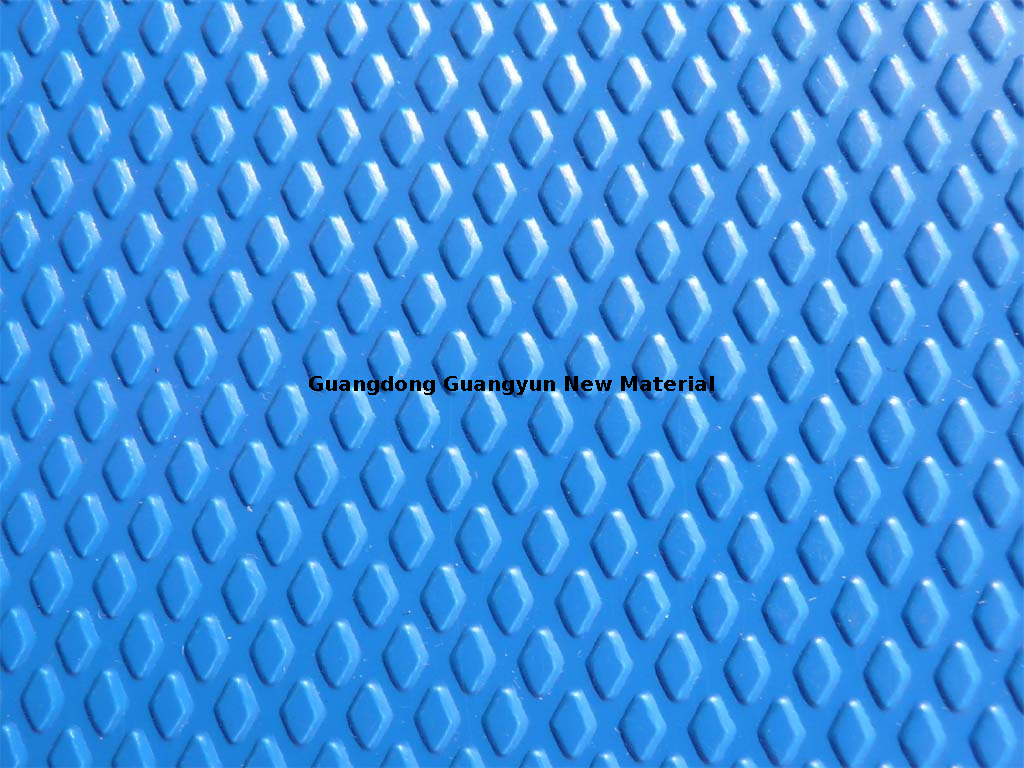
Selecting the correct alloy dictates the success of your project. Manufacturers typically rely on two primary alloy families for textured coils. These distinct grades serve very different mechanical purposes.
This series represents commercially pure aluminum. It contains at least 99.0% pure aluminum content.
Characteristics: It is highly ductile and offers excellent workability. The material bends easily without cracking. It remains incredibly cost-effective for large-scale orders.
Best for: You should use AA1100 for deep drawing applications. It works perfectly for interior appliance linings. It suits projects where structural load remains minimal but formability is paramount.
This grade incorporates manganese as its primary alloying element. The addition fundamentally upgrades the metal.
Characteristics: The manganese yields a roughly 20% increase in tensile strength over AA1100. It also provides superior corrosion resistance against atmospheric elements and moisture.
Best for: Choose AA3003 for exterior architectural applications. It excels in heavy-duty metal roofing panels. It handles high-stress industrial pipe jacketing effectively.
Here is a quick specification comparison chart for reference:
Specification Criteria | AA1100 (1000 Series) | AA3003 (3000 Series) |
|---|---|---|
Alloy Composition | 99.0% Minimum Pure Aluminum | Aluminum + Manganese Alloy |
Tensile Strength | Lower (Highly Ductile) | Approximately 20% Higher |
Corrosion Resistance | Good Baseline Protection | Excellent Weather Resistance |
Primary Use Cases | Deep drawing, interior appliance liners | Roofing panels, exterior jacketing |
Tempers define the hardness and flexibility of the metal. Commercial roll forming often uses half-hard states. Standard tempers include H14 and H24. These tempers strike an ideal balance. They provide necessary strength while maintaining workable bendability. Standard dimension ranges typically cover thicknesses from 0.2mm to 1.5mm. Suppliers provide coils in various widths customized to match your specific machinery limits.
Raw aluminum provides excellent baseline protection. However, many industrial applications demand extra defense against moisture and chemicals. Specialized backings and coatings solve these environmental threats.
PSMB represents a critical factory-applied backing. It consists of a tough, co-extruded film combining polyethylene and Surlyn. Manufacturers heat-laminate this three-layer film directly to the inner metal surface.
Use Case: It is absolutely essential for mechanical pipe insulation jacketing. Moisture often condenses inside fiberglass insulation. This trapped moisture causes rapid galvanic and crevice corrosion inside the metal sheath. PSMB creates a zero-permeability shield. It prevents this chemical failure entirely.
This serves as a legacy alternative to PSMB. It uses heavy kraft paper bonded securely to the metal. It offers basic moisture control. It remains a cost-effective option for less demanding indoor environments. However, it degrades much faster than modern polymeric films.
You can specify the integration of PE (Polyester) or PVDF coatings. Manufacturers apply these over the stucco texture. These coatings enhance architectural branding. They provide secondary weatherproofing against harsh UV rays. They also resist severe chemical exposure. Pre-painted coils save contractors massive amounts of time during field installation.
Engineers specify this material across multiple high-demand sectors. The unique surface geometry solves distinct physical problems in each demanding industry.
HVAC & Insulation Jacketing: Installers use it to protect fiberglass or mineral wool insulation. It covers exterior ductwork and complex piping networks. The metal shields fragile insulation from severe weather events. It prevents costly mechanical damage from debris.
Refrigeration & Cold Storage: Manufacturers deploy it as inner liners for commercial freezers. Cold storage rooms utilize it extensively. It offers excellent thermal conductivity for cooling efficiency. The textured surface also facilitates rapid and easy cleaning protocols.
Metal Roofing & Siding: Contractors use it in modular construction and industrial roofing. These outdoor projects require low-glare materials. They also demand high-strength and lightweight structural solutions. The stucco pattern prevents unsightly "oil-canning" on wide roof panels.
Transportation: Automakers use it for interior paneling in heavy-duty trailers. Aerospace applications rely heavily on its exceptional strength-to-weight ratio. It also functions exceptionally well as automotive heat shields located under the vehicle chassis.
Sourcing raw metal in bulk carries inherent risks. You must evaluate suppliers based on strict engineering and logistical criteria. Doing so ensures steady manufacturing operations.
Ensure the supplier’s spec sheets clearly define gauge tolerances. These tolerances must be specific to textured metal. Specify base thickness versus overall peak thickness. This prevents costly jamming issues during your own roll-forming or stamping processes. Accurate dimensions prevent material waste.
Sea freight exposes metal to severe humidity changes. Condensation inside shipping containers risks "white rust" or rapid oxidation. Require suppliers to use premium desiccant packaging. They must wrap coils tightly in waterproof plastic. They should also secure loads firmly on heavy-duty wooden pallets.
Align your project timelines with realistic mill production runs. Custom specs often require 2 to 5 tons per specific order. Contrast this with drawing from existing service center inventory. Pulling inventory is much faster. However, it severely limits your exact customization options.
Never skip rigorous material verification. Check the factory for updated ISO standards. Demand strict ASTM B209 compliance for aluminum sheet products. Request certified material test reports (MTRs) for every batch. These documents legally guarantee the exact alloy composition you purchased.
A stucco embossed aluminium coil represents a highly engineered solution. It solves specific manufacturing problems related to weight, durability, and thermal efficiency. The mechanical texturing provides undeniable structural and aesthetic advantages over standard flat metals.
Buyers must finalize their application environment early. Determine if your setting is highly corrosive or relatively benign. This narrows down the critical choice between AA1100 and AA3003 alloys. Next, evaluate your specific insulation needs. Determine if a factory-applied barrier like PSMB is necessary for longevity.
We strongly encourage procurement teams to request physical material samples first. Always verify complete Mill Test Reports (MTRs) carefully. Completing these actionable steps ensures quality before you commit to a full-tonnage commercial order.
A: Stucco has a fine, non-directional "orange peel" texture. We use it for aesthetics, structural rigidity, and thermal performance. Diamond tread, often called checker plate, features distinct, raised directional patterns. Engineers primarily use diamond tread for heavy-duty anti-slip flooring and stair treads.
A: No, it actually increases the material's rigidity and strength-to-weight ratio. The metal undergoes work hardening during the intense mechanical roller process. This strengthens the panel. However, the process may slightly reduce deep-draw ductility depending on the exact temper you specify.
A: PSMB creates a highly durable, zero-permeability barrier. It prevents moisture trapped inside the insulation from touching the metal. This stops the water from reacting chemically with the aluminum sheath. It effectively eliminates the risk of destructive galvanic and crevice corrosion.
A: It creates two distinct measurements. You get an "overall thickness" which includes the highest peaks of the pattern. You also get a "base metal thickness" measuring the core material. Buyers must specify base thickness for structural calculations. This ensures they aren't under-speccing the metal's true mass.


 English


