
Views: 0 Author: Site Editor Publish Time: 2026-08-18 Origin: Site


Procuring materials for industrial fabrication forces tough choices every day. You must constantly balance material weight, environmental resilience, and strict project budgets. Specifying standard bare metals often falls short in highly demanding sites. Flat aluminum sheets show aggressive wear quickly in high-friction zones. They also struggle structurally in areas facing extreme temperature swings or heavy moisture accumulation. This moves our conversation beyond basic material definitions. We need to look closely at how specific physical properties dictate long-term success. In this guide, we will explore how stucco embossing physically transforms aluminum. You will learn how the right combination of alloys, exact thickness parameters, and protective barriers guarantees peak performance. By the end, you will understand exactly how to align these technical specifications to solve your toughest application challenges.
Performance ROI: The stucco pattern increases structural rigidity and hides surface imperfections, allowing buyers to specify thinner, more cost-effective gauges without sacrificing durability.
Core Applications: Primarily specified for HVAC jacketing, cold storage panels, and architectural roofing where thermal regulation and moisture resistance are critical.
Critical Upgrades: For pipeline and insulation projects, coupling the coil with a Polysurlyn Moisture Barrier (PSMB) prevents galvanic corrosion and extends lifecycle.
Sourcing Criteria: Successful procurement requires verifying ASTM compliance, strict thickness tolerances, and proper transit packaging to prevent edge damage.
The roller-embossing process physically changes the bare metal. Heavy patterned steel rollers press heavily into the plain aluminum sheet. This intense action work-hardens the base metal thoroughly. It significantly increases overall yield strength and rigidity. You gain a substantially stronger panel compared to flat sheet alternatives. This physical alteration prevents deep denting during rough installations. Impact forces distribute outward across the raised bumps.
The textured surface also changes surrounding thermal dynamics. It disperses incoming light highly efficiently. This scattering effect reduces harsh visual glare in bright factory settings. Operators working in open-air facilities experience much less eye strain. Furthermore, the raised pebble pattern increases the total surface area. More surface area inherently improves thermal transfer rates across the panel.
Facility managers strongly appreciate the pragmatic aesthetic benefits. The random pattern naturally masks surface scratches. It hides daily friction wear and minor oxidation effortlessly. You will spend far less time on aesthetic maintenance in high-traffic industrial zones. Minor tool scrapes blend directly into the dense stucco texture. This eliminates the constant need for touch-up painting or visual repairs.
Thermal insulation stands out as the single most common industrial application. Plant managers use it extensively to protect exposed industrial pipework. It reliably shields massive chemical storage tanks and pressure vessels from environmental damage. You will frequently see insulation aluminium coil specified as the global industry standard. Installers use this specific material to secure underlying fiberglass blankets safely. It wraps tightly around rigid mineral wool or cellular glass blocks.
Success in HVAC environments requires strict resistance to intense UV degradation. The jacket must survive harsh weather events continuously. It must endure heavy mechanical abuse in rugged outdoor plant settings. Standard flat metals simply bend or tear under these extreme conditions. The embossed texture provides the necessary structural resilience to protect delicate internal insulation materials.
You will also find this robust material inside modern commercial refrigeration units. Builders use it heavily for the interior linings of large walk-in coolers. It forms the tough protective skin on modular freezer panels. Supermarkets rely on its unique properties for open display refrigerators. The textured surface remains strictly non-toxic and highly sanitary.
Facility cleaners can sanitize the panels rapidly using standard industrial chemicals. The metal offers rapid thermal conductivity for highly efficient space cooling. These interior panels resist severe damage from continuous moisture exposure. They easily survive brutal, repeating freezing and thawing cycles. Food processing plants require this durability to maintain strict hygiene compliance over decades.
The global transportation and construction sectors leverage these coils heavily. Fabricators press them into durable corrugated roofing sheets. Trailer manufacturers use them for rigid exterior vehicle siding. They even serve as specialized anti-slip transit flooring on passenger buses. Success in these heavy fields demands a very high strength-to-weight ratio.
Lighter panels drastically reduce the dead structural load on building foundations. They lighten commercial vehicle chassis weights significantly. This weight reduction improves overall vehicle fuel efficiency safely. Crucially, they maintain absolute weatherproofing under intense storm conditions. Hailstones and heavy debris simply bounce off the hardened, textured surface.
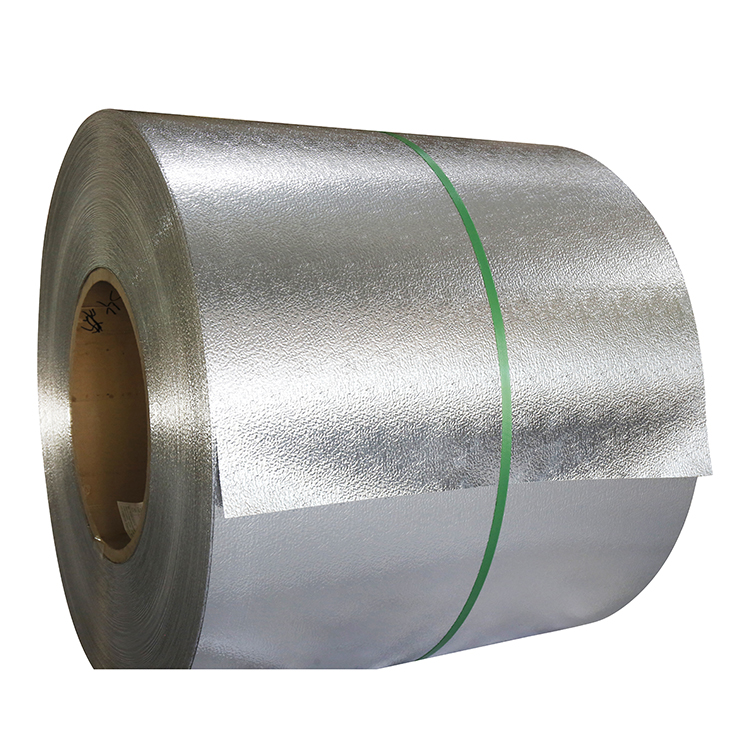
Selecting the exact right alloy ensures long-term project stability. The 1000 Series includes pure commercial grades like 1050, 1060, and 1100. These specific grades offer exceptionally high physical ductility. They bend and wrap easily around highly complex pipe joints. Engineers prefer them specifically for general insulation jacketing. They perform well in aggressive chemical processing facilities. Here, extreme chemical purity and corrosion resistance matter significantly more than sheer structural strength.
Conversely, the 3000 Series utilizes added manganese for structural reinforcement. Grades like 3003 and 3105 deliver much higher tensile strength. You absolutely need these stronger alloys for spanning structural roofing panels. Heavy-duty transport trailers require them to survive constant road vibrations. They excel in any heavy industrial zone experiencing severe mechanical stress.
Alloy Series | Core Characteristics | Ideal Applications |
|---|---|---|
1000 Series (1050, 1060, 1100) | High ductility, pure base, superior corrosion resistance. | Complex pipe jacketing, chemical tanks, basic flashings. |
3000 Series (3003, 3105) | Manganese-alloyed, high tensile strength, rigid temper. | Structural roofing, trailer siding, high-stress cladding. |
Best Practice: Always default to 3000 series aluminum alloys for exterior building projects facing strong seasonal wind loads.
Common Mistake: Specifying pure 1000 series soft metal for walkable roof areas leads to immediate structural crushing.
Sizing parameters directly dictate structural integrity and daily fabrication efficiency. You must calculate the exact minimum required metal thickness accurately. Standard market thicknesses typically range from 0.2mm directly up to 3.0mm. To determine the correct gauge for your exact needs, follow these necessary steps:
Assess the maximum historical local wind load forces accurately.
Calculate the peak internal pressure of the insulated pipes.
Determine the maximum unsupported structural span distances.
Review your machinery limits for handling maximum raw coil widths.
Furthermore, you must assess incoming coil widths carefully. Fabricators need to match raw incoming widths against specific machine roll-forming constraints. Precise width matching minimizes expensive raw material scrap rates. It speeds up the continuous mass production process significantly.
Unprotected raw aluminum faces severe risks when contacting underlying insulation directly. Standard fiberglass and mineral wool easily trap ambient environmental moisture. They also accumulate highly corrosive airborne salts. If bare metal touches wet insulation continuously, it suffers rapid physical degradation. Severe galvanic or crevice corrosion will destroy the metal jacket quickly. This happens aggressively from the inside out, remaining invisible until complete failure occurs.
Specifying protective internal moisture barriers solves this dangerous industrial problem. Quality rolling mills can apply specialized barriers directly to the inner coil surface. Options include Polysurlyn Moisture Barriers (PSMB) or standard Polykraft paper. When evaluating these options, PSMB proves strictly superior to Kraft paper. PSMB features absolutely zero pinholes. It remains entirely non-degradable over its lifespan. You must specify PSMB inside high-humidity regions or coastal marine environments.
Best Practice: Mandate robust PSMB backings for any pipeline insulation jacketing installed near saltwater coastal regions.
Common Mistake: Relying on basic Polykraft paper in wet, high-humidity zones guarantees rapid moisture degradation.
Strict quality assurance relies entirely on verifiable, standardized industry metrics. You must strictly require suppliers to provide official mill test certificates. These vital documents prove the shipped material actually meets your promised technical specifications. Without them, you risk installing vastly inferior, non-compliant metals.
Always verify strict laboratory compliance against ASTM B209 directly. This governs general aluminum composition standards globally. For specific HVAC construction projects, ensure the material aligns perfectly with ASTM C1729 requirements. This unique standard specifically governs required aluminum insulation jacketing properties. Meeting these established codes prevents catastrophic, premature material failures entirely.
Hidden manufacturing defects compromise both long-term structural integrity and basic visual appeal. You might encounter highly inconsistent embossing depth across a single roll. Severe edge cracking happens frequently during rushed slitting operations. Uneven temper distribution leaves hidden soft spots throughout the finished metal.
To mitigate these dangerous risks, you must audit your targeted suppliers rigorously. Look closely for clean facilities operating advanced continuous casting lines. Verify their specific precision roll-forming capabilities firsthand. You should strictly demand the following quality checks:
Request detailed physical sample runs before authorizing heavy-gauge master orders.
Verify the uniformity of the pebble pattern across the entire sample width.
Check the slit coil edges carefully for microscopic stress fractures.
Confirm the factory performs in-house tensile strength testing dynamically.
Severe transit damage ruins perfectly manufactured heavy materials before they ever arrive. Raw aluminum coils remain highly susceptible to crushing edge damage. Rough handling operators easily dent the delicate coil margins. The material also suffers heavily from internal moisture condensation. This happens frequently during extended ocean freight voyages.
Trapped container condensation causes permanent, ugly white water stains across the metal. To completely prevent expensive transit losses, you must strictly enforce vital packaging mandates. First, mandate secure "Eye-to-Sky" or "Eye-to-Wall" pallet orientation. Next, require abundant industrial desiccants packed deeply inside the core. Demand heavy-duty waterproof plastic wrapping sealed around each individual coil. Finally, specify properly treated, fumigated heavy wooden pallets to prevent customs delays.
Sourcing the correct raw materials dictates the final lifespan of your massive industrial installations. Choosing the exact right stucco embossed aluminium coil requires very careful technical alignment. You must strictly match the specific alloy, exact metal thickness, and specialized moisture barriers directly against environmental project stress. Accepting basic default specifications exposes your facility to severe long-term risks.
Before opening any final supplier negotiations, advise your internal engineering teams to lock in all mechanical requirements. Ambiguity leads directly to incorrect material specifications and premature field failures. Take direct action today by contacting our expert technical sales team. Share your detailed structural schematics and local environmental data confidently. We will provide precise, verified alloy recommendations and supply physical sample coils for your immediate approval.
A: Embossing adds a very minor processing premium per ton compared to standard flat bare sheets. However, the heavy work-hardening process increases the material's physical structural rigidity greatly. This crucial added strength often allows buyers to safely purchase thinner, lighter gauges overall. Ultimately, specifying textured coils usually neutralizes the minor processing premium completely. It frequently reduces total initial material volume requirements.
A: Yes. Modern manufacturing facilities can easily paint or coat these heavily textured coils. They show excellent chemical compatibility with premium PVDF or standard PE color-coatings. Adding a specialized color coat enhances exterior architectural aesthetics significantly. Furthermore, these robust industrial coatings provide an essential, powerful extra layer of defense against extreme chemical or saline corrosion.
A: Standard B2B market expectations for precise custom widths typically require an MOQ of 2 to 5 metric tons. The exact tonnage requirement depends heavily on the specific rolling mill's master coil size. It also relies on their internal factory slitting capabilities. You should always confirm these precise volume requirements early during the initial supplier shortlisting process.
A: A high-quality factory-applied Polysurlyn Moisture Barrier does not hinder active fabrication at all. The 3-mil thick co-extruded protective film proves exceptionally durable under heavy machine pressure. Skilled engineers specifically design this flexible barrier to withstand standard machine roll-forming friction smoothly. It stretches and bends effortlessly alongside the heavy aluminum metal without tearing, cracking, or separating.


 English


