
Views: 0 Author: Site Editor Publish Time: 2026-05-11 Origin: Site


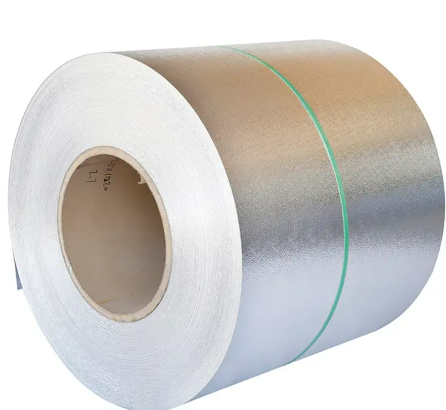
An Embossed Aluminium Coil is a specialized metal product. Manufacturers process it through heavy rollers to create raised geometric patterns. This deliberate modification fundamentally alters its physical and mechanical properties. It moves the material far beyond simple aesthetic value.
For procurement engineers and product architects, specifying sheet metal presents several strict challenges. You must constantly balance structural rigidity and weight constraints. You also need to ensure passive corrosion resistance while managing project budgets. Selecting the wrong gauge or pattern can compromise structural integrity.
This guide bypasses surface-level aesthetic claims. We will evaluate technical performance, alloy compatibility, and functional applications. You will learn exactly how physical patterns interact with specific alloy chemistries. By the end, you can specify the correct material confidently for your next production run.
Functional Physics: Embossing is not primarily decorative; it actively increases surface area for thermal efficiency, disperses structural stress, and diffuses light to reduce glare.
Application Specificity: Different patterns serve strict engineering functions—stucco for heat dissipation, diamond/5-bar for high-traction flooring, and hemispherical for pressure buffering.
Alloy Matching: Success depends on pairing the right pattern with the correct alloy series (1000 for economy/conductivity, 3000 for standard fabrication, 5000 for marine/transport durability).
Composite Solutions: Advanced applications in highly corrosive environments (like refineries) require specific backings, such as Surlyn polymer films or Kraft paper, to prevent galvanic corrosion.
Engineers often dismiss surface textures as purely decorative choices. In modern metalwork, embossing serves as a calculated engineering tool. The process alters the metal on a micro-structural level. This section breaks down the specific performance metrics driven by geometric modifications.
Thermal management relies entirely on surface area contact. Patterns like stucco inherently increase the total functional surface area of the metal sheet. They achieve this without expanding the actual material footprint. When fluid or air passes over a flat sheet, heat transfers at a standard rate. When air hits a stucco-embossed surface, the uneven texture disrupts boundary layers. This disruption creates micro-turbulence, directly improving thermal conductivity. Engineers rely on this property to maximize cooling efficiency in tight mechanical spaces.
Cold-rolling geometric patterns into metal triggers a phenomenon called work-hardening. The heavy pressure compresses the crystalline structure of the aluminium. This transformation enhances localized stiffness and impact resistance. The raised geometric shapes act as micro-ribs across the panel. They disperse kinetic energy from impacts across a wider radius. Consequently, you can use a thinner overall gauge while maintaining the required structural rigidity. Keeping the gauge low significantly reduces the final assembly weight.
Industrial equipment faces harsh environments. Maintenance teams benefit heavily from passive surface defenses. Embossing naturally diffuses incident light. This scattering effect significantly reduces surface reflectivity and eliminates blinding glare. Beyond optical comfort, the irregular surface visually conceals manufacturing defects. It hides operational scratches, fingerprints, and routine handling marks. This passive camouflage effectively extends the visual lifespan of equipment housings. It reduces the frequency of cosmetic part replacements.
Workplace safety regulations strictly govern slip resistance. Smooth metal surfaces pose severe hazards in wet or oily conditions. Multi-directional raised patterns solve this mechanical problem. Diamond and 5-bar designs create distinct, non-slip contact points. As a worker steps onto the surface, these raised ridges grip footwear treads securely. They channel fluids away from the contact patch. This aggressive friction coefficient is critical for satisfying strict industrial safety compliance mandates.
Matching a specific industry problem to an exact material specification ensures operational success. We will map precise material choices to their real-world outcomes below.
Refinery pipelines transport fluids at extreme temperatures. These pipes require thick insulation layers to maintain thermal efficiency. However, temperature differentials cause heavy condensation. This moisture threatens the underlying steel pipes. Procurement teams require highly reliable moisture barriers and outer jacket protection.
The standard solution relies on aluminium stucco embossed coils. Fabricators back these coils with a protective layer. A basic Kraft paper backing serves moderate indoor environments. For aggressive chemical plants, engineers specify a 76-micron Surlyn film. These composite layers prevent external moisture ingress. More importantly, they act as a dielectric barrier to stop internal galvanic corrosion between the aluminium jacket and the underlying pipe.
Appliance manufacturers must maximize heat exchange rapidly within highly constrained spaces. Refrigerator inner liners and deep freezer evaporators require excellent thermal transfer rates. The material must also withstand constant moisture without degrading.
Designers typically specify anodized stucco patterns. They rely primarily on 1050 or 3003 alloy series for these components. The stucco texture maximizes the available cooling surface area. The anodized finish protects the metal from constant condensation. This combination guarantees rapid heat exchange and delivers incredibly durable interior linings.
Fleet operators prioritize fuel efficiency above all else. Every extra kilogram reduces payload capacity and increases drag. However, reducing vehicle weight cannot compromise floor strength or passenger safety. Vehicles face constant vibration, heavy impacts, and extreme exhaust heat.
Engineers solve weight issues using 5-bar or diamond plates for commercial trailer flooring. These profiles offer massive weight reduction compared to steel while handling heavy forklift traffic. For extreme heat areas, automotive engineers specify hemispherical coils. Manufacturers use these specific shapes for automotive heat shields and engine enclosures. The hemispherical domes act as structural shock absorbers. They buffer extreme acoustic pressure and efficiently deflect intense exhaust heat away from sensitive electronics.
Modern architectural projects demand multi-decade material lifespans. Building facades endure relentless UV radiation, acid rain, and wind loads. Furthermore, urban planners enforce strict light-pollution compliance rules. Buildings cannot blind drivers or nearby residents with harsh reflections.
Architects specify PVDF-coated embossed coils to meet these demands. The heavy fluorocarbon coating resists aggressive UV degradation perfectly. Meanwhile, the embossed texture diffuses natural sunlight in multiple directions. This dual approach guarantees long-term structural integrity while maintaining vital weather resistance and low glare profiles.
Over-engineering wastes capital. Under-specifying invites catastrophic failure. Understanding the cost-to-performance breakdown helps you select the optimal alloy chemistry.
The 1000 series represents the purest baseline material available. These alloys contain 99% or higher pure aluminium content. They are highly malleable and boast excellent thermal conductivity. This series is incredibly cost-effective for high-volume manufacturing. However, this high purity results in the lowest tensile strength among all commercial alloys.
These soft alloys perform best in controlled environments. Specify them for indoor refrigeration panels. They work perfectly for non-load-bearing appliance components and basic electrical enclosures.
The 3000 series introduces Manganese into the chemical matrix. This crucial addition alters the grain structure significantly. It makes the 3000 series roughly 20% stronger than the 1000 series baseline. It provides an exceptional balance of corrosion resistance, workability, and medium cost.
This series dominates general fabrication. It is the absolute best choice for HVAC ducting and industrial pipe jacketing. Engineers rely on it heavily for general architectural construction and standard weatherproofing.
The 5000 series integrates Magnesium. This addition produces the highest ultimate strength available among non-heat-treatable aluminium alloys. It offers exceptional defense against saltwater exposure and harsh chemical environments. Naturally, this superior performance commands the highest material cost.
You must specify 5000 series materials for severe applications. They are essential for marine environments and coastal infrastructure. Commercial vehicle flooring and heavy machinery enclosures demand this specific alloy grade.
Review the data below to compare baseline characteristics across the primary series.
Alloy Series | Primary Element | Key Strengths | Limitations | Ideal Application |
|---|---|---|---|---|
1000 (1050, 1060) | 99%+ Pure Aluminium | Excellent thermal transfer, lowest cost, highly malleable. | Low structural strength, easily dented. | Appliance liners, indoor heat shields. |
3000 (3003, 3105) | Manganese | Great balance of strength, workability, and cost. | Not suitable for extreme structural loads. | HVAC jacketing, architectural roofing. |
5000 (5052, 5083) | Magnesium | Highest non-heat-treated strength, saltwater resistant. | Highest procurement cost, harder to bend. | Marine equipment, truck flooring. |
Enhancing the base metal ensures survival in harsh environments. You must match the surface treatment to the expected environmental abuse.
A standard mill finish relies on natural oxidation. Bare aluminium quickly forms a microscopic oxide layer when exposed to air. This passive film prevents further rust. For benign, dry environments, a mill finish is perfectly sufficient and keeps costs low.
Anodizing utilizes an electrochemical process to artificially thicken this oxide layer. Anodic thickening seals the surface against aggressive physical wear. It also locks in color dyes securely, preventing fading. You should specify anodized finishes when parts face regular friction or require permanent color retention.
Organic coatings protect the substrate from UV rays and acid rain. Understand these realistic durability expectations before specifying paint systems:
Polyester (PE): Offers a 7-8 year lifespan. Best for indoor usage or mild outdoor environments without severe UV exposure.
High Durability Polyester (HDP): Offers up to 15 years of protection. A strong mid-tier choice for standard commercial buildings.
Fluorocarbon (PVDF): Delivers 20-25 years of extreme weather resistance. It handles aggressive solar radiation and prevents chemical chalking flawlessly.
Insulation jacketing requires backings to stop galvanic corrosion between dissimilar metals.
Basic Kraft paper backings handle moderate internal pipeline insulation. The paper absorbs minor condensation and creates a simple physical barrier. However, it degrades eventually if soaked repeatedly.
Multi-layer Blue Polymer (Surlyn) films provide absolute defense. This 76-micron thermoplastic film bonds directly to the metal. It delivers zero-permeability moisture blocking. Surlyn is mandatory for aggressive chemical plant anti-corrosion programs and exposed offshore pipelines.
Vendor evaluation requires strict technical criteria. Use this "Questions to Ask Before You Buy" framework to eliminate poor suppliers.
Confirm Dimensional Tolerances: Roller pressure variations ruin metal. Verify the supplier's capability to maintain consistent embossing depth. Depth should remain tightly controlled between 0.08mm to 0.25mm. Excessive pressure creates dangerous micro-cracks. Insufficient pressure fails to work-harden the metal properly.
Demand Quality Certifications: Never accept unverified metal. Demand strict evidence of compliance with accepted international standards. Suppliers must provide valid certificates for ASTM B209, EN 485, or GB/T 3880. If your product goes to Europe, mandate RoHS and REACH environmental compliance documentation.
Assess Coil Processing Limitations: Determine exactly what happens post-embossing. Assess whether the vendor offers post-embossing treatments. Do they provide continuous tension leveling to eliminate coil set? Can they perform customized precision slitting? These services help the metal integrate seamlessly into your assembly line without extra processing steps.
Evaluate Packaging and Transport Standards: Poor packaging destroys perfect metal. Evaluate exactly how suppliers spool and protect the finished product. Determine if they ship eye-to-sky (vertical core) or eye-to-wall (horizontal core). Demand robust moisture-wicking desiccant layers and waterproof wrapping. This prevents devastating water-staining and transit damage before fabrication begins.
Specifying the perfect textured metal requires careful alignment of multiple technical variables. You must evaluate the exact mechanical function of the geometric pattern. You must verify the chemical composition of the chosen alloy. Finally, you must ensure the environmental defense capabilities of the surface finish.
Define the precise mechanical stress your component will face to select between stucco, diamond, or hemispherical patterns.
Request precise Material Data Sheets (MDS) for all specific alloy and pattern combinations before committing capital.
Procure small sample lots directly from shortlisted vendors.
Run these sample coils through your actual forming equipment to test for stress fractures or delamination prior to bulk ordering.
A: Stucco resembles an orange peel. It offers multi-directional light diffusion and dramatically increases the surface area for thermal transfer. Diamond creates distinct, raised geometric ridges. Engineers primarily design diamond patterns for heavy-duty traction, high slip resistance, and heavy impact deflection.
A: No. If rolled at the correct temperature and pressure, cold-rolled embossing actually work-hardens the metal. This mechanical compression increases the material's overall rigidity and localized impact resistance compared to a standard flat sheet of the exact same gauge.
A: Yes, depending heavily on the alloy. 3000 and 5000 series materials are highly weldable. However, surface coatings like PVDF or composite backings like Surlyn must be mechanically stripped from the heat zone prior to fabrication. This step ensures structural integrity and prevents dangerous toxic off-gassing.


 English


