
Views: 0 Author: Site Editor Publish Time: 2026-03-13 Origin: Site


The lifespan of coated aluminium coil depends on several key factors, including the type of coating, coating thickness, alloy quality, and the environment in which the material is used. Different coatings provide different levels of protection, so the service life can vary significantly. For example, PE coated aluminium coil is usually suitable for indoor or short-term applications and may last around 5–10 years, while PVDF coated aluminium coil is designed for outdoor use and can last 15–25 years or even longer under normal conditions. Environmental factors such as sunlight exposure, humidity, temperature changes, and air pollution also have a strong impact on coating durability. In addition, thicker coating layers and high-quality aluminum alloy can improve corrosion resistance and extend the service life. Therefore, choosing the correct coated aluminium coil for the specific application is essential to ensure long-term performance and reduce maintenance costs.
The service life of coated aluminium coil is affected by several key factors related to coating quality, base material, and usage conditions. Different coating systems, alloy selections, and environments can significantly change how long the coating remains effective. Understanding these factors helps in selecting the right coated aluminium coil for construction, industrial, or decorative applications.
The coating type and coating thickness are the most important factors affecting durability. Polyester (PE) coating is usually used for indoor or light outdoor environments and has a shorter lifespan, while PVDF coating provides much stronger resistance to ultraviolet light, rain, and temperature changes, making it suitable for outdoor construction and roofing. A thicker coating layer also gives better protection against moisture, sunlight, and chemicals, helping the coated aluminium coil maintain its appearance and performance for a longer time.
The aluminum alloy used in the coil also influences service life because different alloys provide different levels of strength and corrosion resistance. Alloys such as 1xxx and 3xxx series offer good corrosion resistance, while 5xxx series performs better in harsh environments. Environmental conditions like strong sunlight, high humidity, salt air, and industrial pollution can accelerate coating aging, so outdoor or coastal projects usually require higher-grade coating and alloy combinations.
Proper installation and regular maintenance are also important for extending the lifespan of coated aluminium coil. Scratches, improper bending, or incorrect fastening may damage the coating surface and reduce its protective ability. Keeping the surface clean and avoiding chemical contamination can help maintain coating stability and ensure long-term performance in both indoor and outdoor applications.
Different coating types provide different levels of protection for coated aluminium coil, so the service life can vary depending on where and how the material is used. The most common coatings include PE coating, PVDF coating, and special functional coatings. Each type is designed for different environments, ranging from indoor decoration to outdoor construction and industrial applications.
PE coated aluminium coil is widely used for indoor decoration, ceiling panels, appliance covers, and other applications where the material is not exposed to strong sunlight or harsh weather. Polyester coating has good flexibility and smooth appearance, but its resistance to ultraviolet light and long-term weather exposure is relatively limited. Under normal indoor conditions, PE coated aluminium coil can usually last about 5–10 years, while outdoor use may shorten the lifespan if the coating thickness is not sufficient.
PVDF coated aluminium coil is designed for outdoor use and environments that require high weather resistance. PVDF coating has excellent resistance to UV radiation, rain, temperature changes, and pollution, which allows the material to maintain color stability and surface protection for a long time. In normal outdoor construction applications such as roofing, curtain walls, and facade panels, PVDF coated aluminium coil can last 15–25 years or even longer when proper coating thickness and installation methods are used.
Epoxy coatings and other functional coatings are commonly used in industrial environments where additional protection is required. These coatings provide strong chemical resistance, corrosion protection, and mechanical durability, making them suitable for power equipment, chemical plants, marine environments, and special machinery. The lifespan of functional coated aluminium coil depends on the coating design and working conditions, but with proper selection, it can maintain stable performance for many years even in harsh environments.
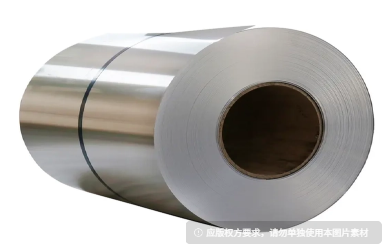
The durability of coated aluminium coil is not only determined by coating type and thickness, but also by the environment where the material is used. Harsh weather, moisture, salt air, and pollution can accelerate coating aging if the correct coating is not selected. Understanding these environmental factors helps in choosing the right coated aluminium coil for long-term performance.
Strong ultraviolet radiation is one of the main reasons coating ages over time. Continuous exposure to sunlight can cause color fading, surface chalking, and reduced coating adhesion, especially for standard PE coatings. For outdoor construction or roofing, PVDF coated aluminium coil is usually recommended because it has excellent UV resistance and can maintain color stability for many years.
High humidity and frequent rain can gradually damage the coating if the protective layer is not strong enough. Moisture may enter small scratches or weak coating areas and lead to corrosion over time. In tropical or rainy climates, thicker coating layers and high-quality surface treatment are important to ensure the coated aluminium coil keeps good performance.
Salt air in coastal areas is highly corrosive to metal materials. If the coating quality is not sufficient, salt particles can break down the protective layer and shorten the service life of the aluminium coil. For marine or coastal projects, PVDF coating or special anti-corrosion coatings are usually required to provide better protection against salt and moisture.
Large temperature differences between day and night can cause expansion and contraction of the metal surface. Over time, this may weaken the coating adhesion and lead to cracking or peeling if the coating flexibility is not strong enough. High-quality coated aluminium coil is designed to withstand temperature changes without losing its protective performance.
In industrial areas, chemicals, smoke, and dust in the air can damage the coating surface faster than in normal environments. Acidic or alkaline substances may react with the coating and reduce its protective ability. For factories, power plants, or heavy industry applications, functional coatings with higher chemical resistance are often used to extend the lifespan of coated aluminium coil.
The lifespan of coated aluminium coil can be improved by choosing the right coating, alloy, and thickness, and by using proper installation and maintenance methods. Even though coated aluminium coil has good corrosion resistance, using the wrong coating or improper processing may reduce its durability, especially in outdoor or harsh environments.
Selecting the correct coating type is essential. PE coating is suitable for indoor use, while PVDF coating is better for outdoor applications because it has stronger resistance to sunlight, rain, and temperature changes. Using the right alloy and sufficient coating thickness also helps protect the aluminum surface and extend the service life.
Careful installation helps prevent scratches or damage to the coating layer. Regular cleaning can remove dust, salt, and chemicals that may affect the surface over time. With correct use and simple maintenance, coated aluminium coil can keep good performance for many years.
Coated aluminium coil usually lasts longer than many other metals because aluminum has natural corrosion resistance, and the coating provides extra protection. Compared with steel, galvanized steel, painted steel, and stainless steel, coated aluminium coil offers good durability, lighter weight, and lower maintenance, making it suitable for construction and industrial use.
Steel is strong but easy to rust if the surface is damaged. Galvanized steel has a protective zinc layer, but it may wear off over time. Painted steel can fade or peel after long exposure to sunlight and moisture. Stainless steel resists corrosion well, but it is heavier and more expensive.
Coated aluminium coil does not rust easily, has strong coating adhesion, and is lightweight, which makes installation easier. Because of its corrosion resistance and long service life, it is widely used for roofing, wall panels, appliances, and outdoor structures.
PVDF coated aluminium coil can last 15–25 years or more in outdoor environments because of its excellent UV and weather resistance.
Yes, thicker coating provides better protection against corrosion, sunlight, and moisture, which helps extend the service life of coated aluminium coil.
Yes, but PVDF or special anti-corrosion coatings are recommended because salt air can damage standard coatings faster.
Color fading may occur after long exposure to sunlight, but high-quality PVDF coated aluminium coil has excellent color stability and fades very slowly.
The lifespan of coated aluminium coil varies depending on the coating type, material quality, and application environment. In general, PE coated aluminium coil is suitable for indoor or light outdoor use and can last about 5–10 years, while PVDF coated aluminium coil is designed for outdoor conditions and can last more than 20 years with proper installation and maintenance. Choosing the correct coating, alloy, and thickness is very important to ensure long-term performance, especially in environments with strong sunlight, humidity, or pollution. With the right selection, coated aluminium coil can provide reliable protection, stable appearance, and long service life for construction, industrial, and decorative applications.


 English


