
Views: 0 Author: Site Editor Publish Time: 2026-05-13 Origin: Site


Specifying construction materials requires a precise balancing act. You must weigh upfront material costs against long-term operational durability. We know you want reliable performance without overspending on unnecessary structural upgrades. We also face a stark reality in the manufacturing industry. There is no single standard lifespan for architectural metals. Longevity remains a predictable calculation based entirely on alloy series, surface coating, and environmental exposure. Without evaluating these specific factors, you risk premature field failures. This guide breaks down verifiable lifespan data and known failure mechanisms. We also outline the exact technical specifications you need. You will learn how to guarantee a 20-to-50-year service life for commercial applications. We will explore how surface treatments and structural patterns protect your assets. You will discover exactly how to evaluate supplier claims effectively.
Surface dictates longevity: Mill finish coils last 5–15 years, PE-coated last 15–20 years, and premium PVDF-coated coils exceed 30–50 years.
Environment accelerates decay: Coastal salt-spray environments can accelerate corrosion by 10x; marine-grade alloys (5000 series) are mandatory for these zones.
Embossing adds structural life: The cold-rolling embossing process induces work-hardening, increasing physical rigidity and masking surface wear better than flat sheet metal.
HVAC specific risks: Galvanic and formicary corrosion are the primary killers of coils in refrigeration; targeted coatings are required to prevent premature pinhole leaks.
Aligning project life expectancy with coating investments solves a major business problem. You want to avoid over-engineering temporary structures. Conversely, you cannot under-specify materials for permanent exterior facades. Choosing the correct finish directly impacts your long-term maintenance cycles. We categorize lifespan expectations into three distinct tiers based entirely on surface treatments.
Mill finish represents uncoated raw aluminum. It arrives directly from the rolling mill without added protective paint layers. This raw state oxidizes naturally upon exposure to atmospheric oxygen. The oxidation forms a microscopic protective barrier across the metal. However, this natural barrier degrades rapidly in highly corrosive or humid environments. We strongly recommend restricting mill finish materials to interior zones. They perform exceptionally well in low-moisture environments or concealed architectural elements. Heavy industrial facilities often use them where aesthetic degradation does not matter. You can expect a reliable 5 to 15 years of service indoors. Outdoors, acidic rain and urban pollution will pit the bare surface quickly.
Polyester coatings offer a highly cost-effective barrier. They protect the substrate against moderate weather conditions and daily ultraviolet exposure. PE coatings utilize a specialized resin formulation. This resin provides excellent color adhesion and mechanical flexibility. You will find them ideal for standard commercial roofing projects. They also dominate the market for interior wall panels and ceiling grids. A quality PE finish resists early fading quite well. However, intense sunlight eventually breaks down the polymer chains over time. You can expect a reliable service life of 15 to 20 years. After this period, you will typically notice chalking and a gradual loss of surface gloss.
PVDF serves as the architectural gold standard globally. It contains highly stable carbon-fluorine chemical bonds. These dense bonds resist breakdown from severe solar radiation and industrial chemical attacks. PVDF offers unmatched superior resistance to UV degradation. It drastically reduces chalking compared to standard PE coatings. This coating proves essential for high-value exterior cladding. It thrives in exceptionally harsh climates. Think of coastal skyscrapers or extremely hot desert facilities. You gain 30 to 50 years of pristine visual and structural performance. The initial cost runs higher up front. Yet, the extended life cycle easily justifies the investment for premium architectural projects.
Surface Finish | Estimated Lifespan | Primary Protection Mechanism | Best Application Environment |
|---|---|---|---|
Mill Finish | 5–15 Years | Natural Oxide Layer | Interior, concealed, low-moisture |
PE Coated | 15–20 Years | Polyester Resin Barrier | Moderate outdoor, commercial roofing |
PVDF Coated | 30–50+ Years | Carbon-Fluorine Bonds | Harsh climates, architectural facades |
Understanding theoretical lifespans provides a good baseline. However, field implementation reveals what actually destroys materials on site. Environmental stressors actively attack vulnerabilities in the metal. You must identify these specific threats early during the design phase. Then, you can engineer targeted mitigation strategies to protect the installation.
Corrosion remains a critical threat in HVAC and commercial refrigeration environments. Formicary corrosion involves complex micro-chemical reactions. Volatile organic compounds commonly trigger these events inside building environments. Dissimilar metal contact also causes severe galvanic corrosion. These reactions slowly create invisible pinholes in the metal substrate. Refrigerant leaks soon follow, destroying system efficiency. Mitigation requires specialized structural interventions. You must specify epoxy liners or advanced anti-corrosion barrier coatings. Applying these specific coatings prevents premature pinhole leaks entirely.
Marine environments are incredibly hostile to standard metals. Airborne chlorides in coastal regions settle constantly on exterior surfaces. They corrode standard raw aluminum up to 10 times faster than inland environments. Chlorides strip away the natural oxide layer aggressively. You cannot rely on basic finishes here. You must deploy robust barrier systems. Premium PVDF coatings combined with marine-grade base alloys provide the only reliable defense. A common mistake is using 3000 series aluminum near the ocean; they will pit despite good coatings.
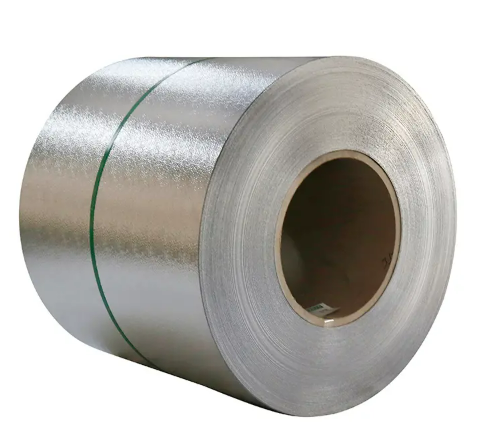
Physical forces degrade metals invisibly over long periods. Constant vibration in ductwork systems induces high mechanical stress. Automotive components face similar dynamic loads daily. Over time, this repetitive motion leads to deep fatigue cracking. The cold-rolling embossing process provides a distinct physical advantage here. It induces work-hardening across the entire sheet. This inherent work-hardening naturally mitigates micro-cracking compared to standard flat metals. Choosing a high-quality Embossed Aluminium Coil dramatically increases structural rigidity. It effectively absorbs acoustic vibrations and resists continuous flexing.
Best Practices for Risk Mitigation
Always isolate dissimilar metals using dielectric gaskets to prevent galvanic reactions.
Specify epoxy coatings for any aluminum used in high-VOC indoor environments.
Upgrade to marine-grade alloys if your project sits within 5 miles of saltwater.
Utilize embossed textures on panels subjected to heavy acoustic or mechanical vibrations.
You must match material chemistry directly to environmental stressors. A beautiful premium coating cannot save the wrong base alloy. We categorize aluminum into distinct metallurgical series. Each series offers radically different mechanical properties based on its trace elements.
1000 Series (1050/1060): These alloys are over 99% pure. They offer immense formability and excellent electrical conductivity. However, they possess very low structural strength. You will find them ideal for chemical and food storage components. They excel where structural load remains minimal and purity is paramount.
3000 Series (3003/3004): These feature manganese as the primary alloying element. The manganese imparts exceptionally high rust resistance. It also increases overall tensile strength compared to pure aluminum. This series serves as the baseline industry standard for exterior roofing. We use them constantly for wall panels and structural building facades.
5000 Series (5052/5083): These utilize magnesium as the key alloying element. Magnesium delivers exceptional fatigue strength under dynamic loads. It provides true marine-grade corrosion resistance. We consider this series absolutely mandatory for shipbuilding. You must use them for transportation systems and harsh coastal construction projects.
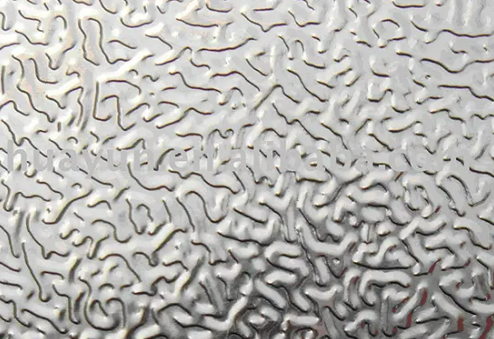
Texture dictates physical performance just as much as base chemistry. Embossing is never purely aesthetic. The formed patterns solve specific physical engineering problems. For example, aluminium stucco embossed coils act as a foundational standard in HVAC insulation. They also dominate thermal barrier applications globally. The rough, stucco-like surface drastically increases the total surface area of the metal. This expanded area maximizes rapid heat dissipation. Furthermore, the chaotic physical texture disrupts incoming sound waves. It enhances acoustic dampening across loud mechanical rooms. The pattern effortlessly masks surface wear and minor installation scratches. You get a highly functional material holding up under harsh industrial use.
Marketing brochures often promise impressive 30-year warranties. You must look past these glossy claims during procurement. True longevity requires verifiable laboratory data. You need strict evaluation criteria before signing any bulk orders. We use standard physical tests to separate premium suppliers from inferior ones.
Never accept visual inspections for protective coatings. You must demand independent laboratory data. Paint thickness dictates exact UV and chemical defense capabilities. PE coatings must measure ≥ 18μm to function properly outdoors. PVDF coatings must achieve ≥ 25μm. Anything less will chalk and fade prematurely under sunlight. Require a certified spectrometer readout from the manufacturer before accepting delivery.
Fabrication floors inflict heavy mechanical stress on painted metals. Profiling and stamping machinery can destroy brittle paint quickly. The material should pass a rigorous 3T bend test. During this test, technicians fold the metal tightly over itself. The coating must not crack or peel along the stressed crease. Passing this ensures the coil withstands intense fabrication without exposing bare aluminum to rust.
Exterior building materials face hail and flying debris regularly. Installation crews also drop heavy tools during construction. You must require a minimum 50 kg/cm impact rating. This strict rating ensures the embossed pattern and coating will not deform easily. It prevents the protective paint from spalling off under sudden blunt force. A compromised coating immediately invites moisture penetration and rapid corrosion.
Quality Parameter | Minimum Standard | Primary Purpose |
|---|---|---|
PE Coating Thickness | ≥ 18μm | Ensures basic UV and weather protection |
PVDF Coating Thickness | ≥ 25μm | Guarantees maximum chemical and solar defense |
Flexibility (T-Bend) | 3T Pass (No cracking) | Secures safe stamping and roll-forming processes |
Impact Resistance | 50 kg/cm | Prevents hail damage and installation spalling |
Procuring durable industrial metals requires a disciplined, data-driven approach. You cannot rely on guesswork when specifying materials for multi-decade lifecycles. Following strict technical guidelines protects your installations.
Longevity is guaranteed only when the alloy strongly aligns with environmental stressors. Choose 3003 for inland facades and 5052 for harsh coastal zones.
Match your surface pattern to mechanical needs. Stucco patterns increase surface area, dampen sound, and hide scratches perfectly.
Select coatings based entirely on lifespan demands. PE suits 20-year lifecycles, while PVDF secures 50-year investments.
Never trust marketing claims blindly. Always demand physical test reports from accredited laboratories.
Instruct your buying teams to request independent lab testing immediately. They must verify exact coating thickness and T-bend flexibility before finalizing bulk orders. Taking these precise steps eliminates premature failures and permanently protects your structural assets.
A: Thickness typically ranges from 0.21mm to 3.0mm. The specific thickness you need is dictated entirely by the intended structural application. Light roofing uses thinner gauges, while heavy-duty industrial flooring requires the maximum 3.0mm thickness for safe load-bearing support.
A: Yes. You can repaint the surface to extend its life further. You must ensure proper surface abrasion first to remove chalking. Then, apply high-quality DTM (direct-to-metal) primers. This process restores the protective barrier effectively.
A: Aluminum does not burn. Under extreme heat, premium coatings create a protective coke layer. This rapid charring effect delays thermal transfer and prevents flame spread. It provides critical time for evacuation and emergency response in fire-risk environments.


 English


