
Views: 0 Author: Site Editor Publish Time: 2026-06-25 Origin: Site


Navigating B2B procurement presents a serious daily hurdle. Prices for raw industrial metals fluctuate wildly, moving constantly across global exchanges. This reality makes forecasting budgets and comparing supplier quotes incredibly frustrating. You face a highly dynamic pricing landscape whenever you source an aluminium coil. Suppliers often present blended rates hiding the true base costs. We designed this guide to completely decode the pricing model. You will learn to separate fixed market rates from negotiable fabrication fees. We give you a clear framework to evaluate supplier quotes accurately. Understanding this layered structure prevents you from overpaying. It also ensures your specifications align perfectly to your final application.
The Baseline Formula: Total aluminium coil price is structurally divided into raw material costs (LME + Regional Premiums) and supplier-specific fabrication fees.
Specification Impact: Alloy grades (e.g., 1000 vs. 5000 series), dimensional tolerances, and surface treatments are the primary internal drivers of cost variability.
Market Volatility: Geopolitical factors, trade tariffs, and localized supply chain constraints directly impact regional pricing benchmarks (like the Midwest Premium).
Procurement Strategy: Buyers can optimize costs by matching coil dimensions to production capabilities to minimize scrap, utilizing long-term contracts, and avoiding over-engineered alloy specifications.
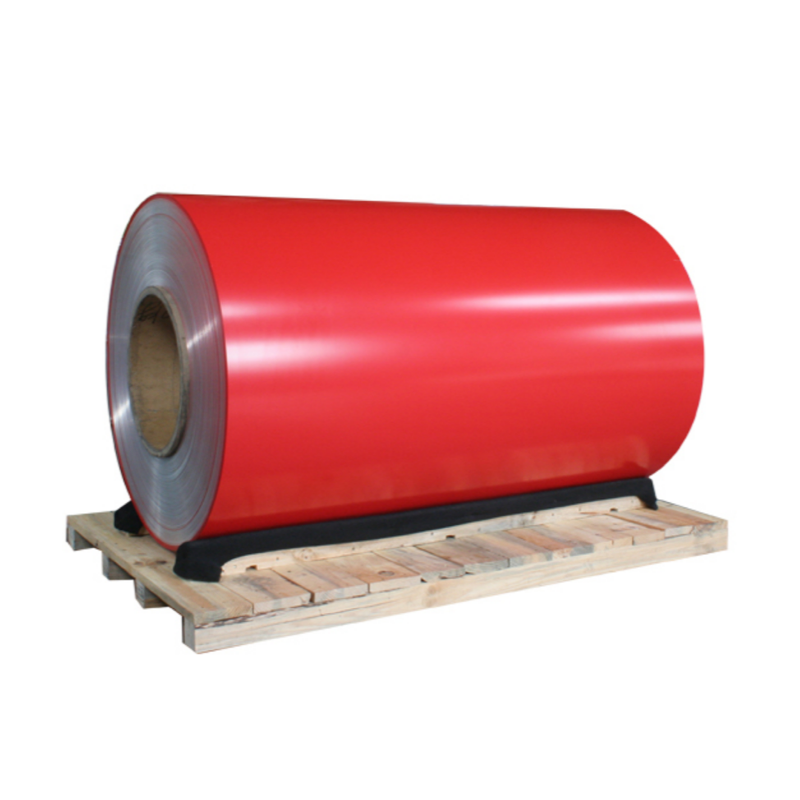
Buyers often stare at a single per-ton rate. They miss the underlying variables completely. This oversight leads to inaccurate comparisons between spot quotes and forward contracts. You must break down the final number to understand its parts. Suppliers build their quotes using a layered approach. We will dissect each layer to reveal where your money actually goes.
Global markets dictate the foundational raw material cost. The London Metal Exchange (LME) and Shanghai Futures Exchange (SHFE) act as baseline references. They track raw metal ingot values daily. These indices fluctuate rapidly based on global supply dynamics. This constant movement explains short quote validity windows. Suppliers usually guarantee a specific aluminium coil price for just 24 to 48 hours. If you wait longer, the base index might jump. You should monitor these exchanges regularly. Dedicated market tracking tools help you anticipate market dips. Buying during a temporary index drop saves thousands of dollars on large bulk orders.
LME prices only represent the metal itself. They do not cover getting the material into your specific region. Regional premiums fill this exact gap. The Midwest Premium serves as a classic North American example. It accounts for local logistics, supply imbalances, and regional trade policies. You essentially pay extra to acquire physical metal locally. A sudden truck shortage quickly inflates this premium. European premiums differ vastly from Asian premiums. You need to calculate landed costs carefully. Always check the regional premium when comparing international versus domestic suppliers. Sometimes a cheaper overseas base price hides a massive regional premium markup.
Suppliers must turn raw ingots into usable products. This process incurs significant conversion costs. Melting, rolling, slitting, and treating all require massive energy and manual labor. Rolling mills consume enormous amounts of electricity. Slitting machines require precise blade calibrations. The result is the finished metal roll you actually buy. This fabrication fee represents the supplier's true margin. It is the primary area where mills compete for your business. Procurement managers have substantial room to negotiate here. We see suppliers adjusting these fees based on factory capacity. Focus your bargaining efforts strictly on these processing fees rather than arguing over fixed LME rates.
Cost Component Breakdown Chart | ||
Cost Component | Description | Negotiability |
|---|---|---|
Base Metal (LME/SHFE) | Raw ingot price dictated by global commodity exchanges. | None (Market Driven) |
Regional Premium | Costs for local physical delivery, logistics, and supply/demand factors. | Very Low |
Fabrication Fees | Supplier costs for melting, rolling, slitting, and surface treating. | High (Supplier Margin) |
Asking for generic metal quotes always leads to bloated estimates. Every unique technical requirement alters the factory processing time. Specific traits change the raw material mix significantly. You must define exact parameters to get accurate pricing. Over-engineering your requirements wastes your budget. Let us explore how internal specifications alter your invoice.
Different chemical compositions dictate base material costs. Commercial pure metal from the 1000 series remains relatively inexpensive. It contains very few added elements. Conversely, heavily alloyed marine or aerospace grades cost much more. The 5000 and 7000 series require expensive magnesium or zinc additions. Specific tempers also alter the final bill. Achieving an H14 versus an H24 temper demands different annealing steps. Extra furnace time drives up energy usage. It extends the overall production schedule. Suppliers factor these extended furnace hours directly into your final pricing. Always verify your temper needs before placing an order.
Precision directly impacts the manufacturing cost-to-outcome ratio. Standard dimensional tolerances cost significantly less to produce. Highly restrictive thickness limits force mills to slow down machinery. They increase manufacturing scrap rates substantially. Suppliers simply pass these scrap losses directly back to you. Extreme widths also trigger premium processing fees. Slitting ultra-narrow strips requires specialized blades and slower machine speeds. Very wide rolls demand massive rolling mills. Only a few global facilities possess these oversized machines. Limited capacity allows them to charge premium rates for extra-wide material.
Alloy Series Cost Comparison | |||
Alloy Series | Primary Alloying Element | Relative Cost Level | Common Application |
|---|---|---|---|
1000 Series | None (99% Pure) | Low | Chemical equipment, reflectors |
3000 Series | Manganese | Moderate | Roofing, beverage cans |
5000 Series | Magnesium | High | Marine environments, pressure vessels |
Standard mill-finish rolls carry no extra surface fees. Upgrading to color-coated options creates a noticeable price delta. Applying PVDF or PE paint requires complex coil-coating lines. Anodizing and embossing add similar intensive manufacturing steps. You also pay for protective packaging elements. Adding specific surface films prevents scratching during transit. Paper-interleaving stops layers from rubbing together tightly. These additions incrementally raise the overall per-ton cost. You must weigh the aesthetic benefits against these added manufacturing expenses. Sometimes applying paint in-house proves cheaper than ordering pre-painted metal.
You might lock in specifications perfectly. Yet, quotes can still vary dramatically from quarter to quarter. Macro-environmental factors shift constantly in the background. You cannot control them, but you must anticipate them. Supply chains react aggressively to global events. Understanding these forces helps you time your purchases better.
Government regulations heavily distort natural market pricing. Import duties artificially inflate the cost of imported goods. Anti-dumping regulations penalize specific foreign manufacturers aggressively. International tariffs create a wide gap between domestic and imported sourcing. You must analyze these policies before signing large contracts. A sudden tariff shifts the math entirely. It can make previously cheap overseas metal wildly expensive overnight. We recommend tracking trade news regularly. Building relationships across multiple geographic regions protects you against sudden policy shifts.
Transportation expenses scale rapidly based on weight and volume. Heavy metal rolls require specialized flatbed trailers. International shipments demand reinforced shipping containers. The packaging style also influences your landed cost. Eye-to-Sky wooden pallets cost different amounts than Eye-to-Wall designs. Robust export packaging adds upfront expense. However, it effectively prevents highly costly transit damage. Skimping on packaging often ruins perfectly good material during shipment. A dented edge renders the entire roll completely unusable. Spending extra on structural packaging acts as cheap insurance for your valuable cargo.
International trade relies heavily on currency stability. Fluctuations in the US Dollar impact local manufacturing currencies immediately. A strong dollar might lower your costs overseas. A weak dollar makes imported materials much pricier. These shifts alter the final cost for international buyers. You must hedge against currency risks when relying on cross-border supply chains. We advise negotiating contracts allowing currency adjustments. This transparency protects both you and the supplier from sudden financial ruin. Forward currency contracts also lock in your exchange rates securely.
Buyers need highly actionable ways to reduce total landed costs. You cannot compromise the structural integrity of your final product. Smart procurement focuses on efficiency rather than just haggling. Implementing systematic strategies yields far better long-term results. We identified several methods to optimize your spending efficiently.
End-of-roll scrap wastes massive amounts of money. Poorly planned dimensions create unnecessary trim loss. We advise using a dedicated calculator to plan dimensions accurately. Match your continuous length requirements to your machinery limits. This alignment drastically reduces wasted material. We also recommend auditing your current alloy choices thoroughly.
Calculate exact Inner Diameters (ID): Match the ID exactly to your uncoiling machine mandrels.
Optimize Outer Diameters (OD): Maximize the OD to reduce machine changeover times, lowering labor costs.
Downgrade over-engineered alloys: Use a standard 3000 series instead of a 5000 series if the environment allows it.
Standardize widths: Ordering standard widths prevents custom slitting fees.
Scale dictates leverage in industrial manufacturing. Evaluate the ROI of consolidating your bulk purchasing across departments. Meeting higher Minimum Order Quantities (MOQs) unlocks much lower fabrication fees. Mills prefer long, uninterrupted production runs. They pass these efficiency savings directly to volume buyers. You can also structure contracts strategically. Try locking in processing fees on long-term agreements. Leave the LME base price floating based on market indices. This strategy mitigates supplier margin inflation over time. It ensures you only pay fair market value for the raw metal itself.
The lowest initial quote rarely equals the lowest actual cost. Unscrupulous suppliers hide assumptions deep in their terms. You must audit quotes rigorously to catch unfavorable conditions. Comparing apples to oranges ruins your procurement budget quickly. Here is how to analyze quotes like an industry expert.
Billing methods change your invoice totals significantly. Theoretical weight bills you based on mathematical dimensions. Actual weight bills you based on the certified shipping scale. Always demand actual scale weight pricing. Mills usually run materials on the thinner side of specified tolerances. Paying theoretical weight means paying for metal you did not actually receive. You essentially pay for negative thickness tolerances. Insisting on actual weight ensures you only pay for physical material delivered to your dock.
Quality directly influences your manufacturing efficiency. Factor in the hidden value of verifiable ISO certifications. Demand proper mill test certificates (MTC) alongside every shipment. Review the supplier's defect-return policies closely. Cheaper rolls often suffer from severe defect rates. Edge waves or uneven coatings jam your machines constantly. These frequent interruptions result in exponentially higher overall manufacturing expenses. Paying a slight premium upfront for guaranteed quality prevents massive production headaches later. Reliable material keeps your assembly lines running smoothly.
Evaluating partners requires a disciplined approach. Use a structured process to weed out bad actors quickly. Focus heavily on transparency, reliability, and communication. We use a simple checklist to evaluate potential mill partners effectively.
Cost Transparency: Demand a clear breakdown separating LME base rates from fabrication fees. Reject blended quotes immediately.
Packaging Standards: Require verifiable photos and detailed descriptions of their export packaging methods.
Lead-Time Guarantees: Ensure they offer written commitments outlining exact delivery schedules and penalty clauses for delays.
The final price you pay acts as a complex composite. It combines global metal indices, detailed technical specifications, and unique processing needs. Understanding this layered structure shifts the power back to you. Effective procurement relies heavily on strict specification alignment. Matching your exact dimensional needs prevents costly manufacturing scrap. Transparent communication always beats chasing the absolute lowest base rate. Take action by auditing your current material requirements today. Check if you use over-engineered alloys needlessly. Always request an itemized quote from your partners moving forward. Separating raw materials from fabrication sets a fair baseline for ongoing negotiations.
A: Raw material costs rely on global indices like the LME or SHFE. These markets trade dynamically every single day. Global supply changes, investor speculation, and geopolitical events cause daily volatility. Suppliers limit quote validity to 24 or 48 hours to protect themselves against sudden spikes in base metal costs.
A: Mills utilize standard winding mandrels for normal inner diameters like 508mm or 610mm. Requesting a custom inner diameter forces them to use specialized equipment. It slows down production and creates winding inefficiencies. These non-standard sizes always incur extra setup fees, raising your final cost.
A: Custom slitting requires a higher upfront processing fee. However, cutting standard sheets in-house generates significant hidden costs. You pay for extra manual labor, slower machine times, and excessive scrap metal. For continuous manufacturing runs, custom-slit rolls ultimately prove much cheaper and far more efficient.
A: Typical MOQs range from 2 to 5 tons per specification. This depends heavily on the specific alloy series and surface treatment requested. Specialized coatings require larger runs to justify line setup times. Suppliers often price smaller trial orders at a premium to cover these fixed changeover expenses.


 English


