
Views: 0 Author: Site Editor Publish Time: 2026-03-17 Origin: Site


Coated aluminium coil is one of the most widely used processed aluminum materials in modern manufacturing and construction. By applying protective coatings such as PE, PVDF, or special functional layers to the surface of aluminum coil, the material gains improved corrosion resistance, weather durability, and decorative appearance. Because of these advantages, coated aluminium coil is used across many industries including construction, household appliances, transportation, power equipment, and industrial manufacturing.
Compared with uncoated metal materials, coated aluminium coil offers better resistance to moisture, sunlight, chemicals, and temperature changes. It is also lightweight, easy to process, and available in different colors and thicknesses, making it suitable for both structural and decorative applications. Different industries require different coating types, alloy grades, and thickness specifications, so understanding how coated aluminium coil is used across various fields helps buyers choose the correct material for long-term performance.
Coated aluminium coil is suitable for a wide range of industries because it combines the natural advantages of aluminum with the added protection of surface coating. Aluminum itself has good corrosion resistance and low density, while the coating improves weather resistance, durability, and appearance, making coated aluminium coil reliable for both indoor and outdoor use. One of the main reasons for its wide application is corrosion resistance, as the coating layer protects the aluminum surface from moisture, air, and chemicals, preventing oxidation and surface damage. Another important advantage is its light weight, since aluminium is much lighter than steel, which reduces transportation costs and makes installation easier in construction and equipment manufacturing. In addition, coated aluminium coil is easy to process and can be cut, bent, stamped, or rolled without damaging the surface when proper methods are used. The decorative coating also allows the material to be produced in various colors and finishes, making it suitable for visible parts of buildings, appliances, and machinery. Because of these advantages, coated aluminium coil is widely used in industries that require durability, good appearance, and long service life.
The construction industry is one of the largest users of coated aluminium coil. Modern buildings require materials that are durable, lightweight, and resistant to weather, and coated aluminium coil meets these requirements very well. With proper coating such as PVDF, the material can maintain its color and strength for many years even under strong sunlight and rain.
Coated aluminium coil is commonly used for roofing sheets and metal roof panels. Aluminum roofing is lighter than steel roofing, which reduces the load on the building structure. The coating protects the surface from rain, UV radiation, and pollution, helping the roof maintain good appearance and performance for a long time. Because the coil can be easily formed into different shapes, it is suitable for residential, commercial, and industrial roofing systems.
Wall cladding and facade panels often use coated aluminium coil because it offers both protection and decoration. PVDF coated aluminium coil is especially popular for exterior walls since it has strong resistance to weather and color fading. The material can be produced in many colors and textures, allowing architects to design modern and attractive building exteriors while keeping the structure lightweight.
Inside buildings, coated aluminium coil is widely used for ceilings, decorative panels, and partition systems. The smooth coated surface provides good appearance and is easy to clean. Because aluminium is lightweight and easy to shape, it is suitable for suspended ceilings and interior decoration where both strength and aesthetics are required.
Coated aluminium coil is widely used in household appliance manufacturing because it provides a clean surface, good corrosion resistance, and easy forming performance. Appliances often work in humid or warm environments, so coated aluminium coil helps protect the metal while maintaining a good appearance.
Refrigerator and freezer panels require materials that can resist moisture and low temperatures. Coated aluminium coil provides good corrosion resistance and smooth surface, which makes it suitable for outer panels and internal parts. The coating also helps keep the appliance looking new after long-term use.
Air conditioner covers and ventilation systems are often exposed to outdoor weather. Coated aluminium coil is used because the coating protects the surface from sunlight and rain, while the lightweight aluminum structure makes installation easier. With proper coating, the panels can maintain stable performance for many years.
Washing machines, ovens, and kitchen equipment often use coated aluminium coil for outer panels. The coated surface can resist water, detergent, and heat, which helps extend the service life of the appliance. Different colors and finishes also allow manufacturers to design modern and attractive products.
The transportation industry requires materials that are strong but lightweight. Coated aluminium coil is widely used because it reduces vehicle weight while maintaining durability and corrosion resistance. Lower weight means better fuel efficiency and easier handling.
Truck panels and trailer bodies often use coated aluminium coil because it is lighter than steel but still strong enough for structural use. The coating protects the surface from rain, dust, and road salt, which helps prevent corrosion during long-term use.
Train and metro systems use coated aluminium coil for interior panels, exterior covers, and structural parts. The material is easy to process into complex shapes and provides good resistance to vibration, temperature change, and outdoor exposure.
In marine and container applications, corrosion resistance is very important. Coated aluminium coil is used for ship panels, containers, and storage units because aluminum does not rust easily and the coating adds extra protection against salt air and moisture.
Coated aluminium coil is also widely used in energy and power equipment because these industries require materials that can work outdoors for long periods. The coating helps protect the metal from sunlight, rain, and chemical exposure.
Solar equipment is exposed to outdoor weather all year, so coated aluminium coil is used for frames, mounting systems, and protective panels. PVDF coating helps maintain color stability and prevents corrosion, ensuring long service life.
Power cabinets and control boxes often use coated aluminium coil because the coating protects the metal from moisture and dust. The lightweight material also makes it easier to install and transport electrical equipment.
In power plants and industrial systems, coated aluminium coil is used as insulation covering and heat shield material. The coating improves resistance to heat, humidity, and chemicals, which helps maintain stable performance in harsh environments.
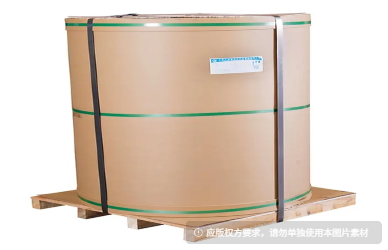
Many industrial machines require protective panels, covers, and structural parts that must resist corrosion and wear. Coated aluminium coil is widely used because it is easy to process and provides long-term protection.
Machine covers made from coated aluminium coil protect internal parts from dust, moisture, and chemicals. The coating also improves appearance and makes cleaning easier.
Industrial storage tanks and panels often use coated aluminium coil because it resists corrosion and can be formed into different shapes. This makes it suitable for factories, warehouses, and processing plants.
Heating, ventilation, and air conditioning systems use coated aluminium coil for ducts and outer panels. The material is lightweight and corrosion resistant, which helps improve system durability.
Industry | Common Uses | Main Advantages |
Construction | Roofing, facade, ceiling | Weather resistance |
Appliances | Refrigerator, AC, washer | Smooth surface |
Transportation | Truck, train, container | Lightweight |
Energy | Solar, cabinets, insulation | Outdoor durability |
Industry | Covers, tanks, HVAC | Corrosion resistance |
Choosing the correct coated aluminium coil depends on the environment, required durability, and processing method. Indoor applications usually use PE coating, while outdoor construction and industrial equipment often require PVDF coating for better weather resistance. The thickness of both the aluminum and coating layer should match the strength and durability requirements. Alloy selection is also important, as different alloys provide different corrosion resistance and mechanical performance. By selecting the right combination of coating, thickness, and alloy, coated aluminium coil can provide stable performance in different industries.
The construction, appliance, transportation, and energy industries use coated aluminium coil the most because they require materials that are lightweight, corrosion resistant, and durable.
Yes, especially when PVDF coating is used. It provides strong resistance to sunlight, rain, and temperature change, making it suitable for long-term outdoor use.
Yes, coated aluminium coil can be cut, bent, stamped, and rolled easily, which makes it suitable for manufacturing panels, covers, and structural parts.
Only simple cleaning is usually needed. The coating protects the surface, so the material can maintain good appearance and performance for many years.
Coated aluminium coil is used across many industries because it combines light weight, corrosion resistance, and durable decorative coating. It is widely applied in construction, appliances, transportation, energy systems, and industrial equipment where long service life and good appearance are required. Different industries need different coating types, thickness, and alloy grades, so selecting the correct coated aluminium coil is essential for achieving reliable performance and reducing maintenance cost. With proper material selection, coated aluminium coil can provide strong protection and stable quality in both indoor and outdoor environments.


 English


