
Views: 0 Author: Site Editor Publish Time: 2026-09-30 Origin: Site


Mill finish aluminium represents the raw, untreated state of the metal directly from the rolling mill. It lacks applied coatings, paint, or anodization. You see the natural, bare metallic surface exactly as it rolls off the production line. Manufacturers constantly balance material expenses against processing flexibility. Pre-treated metals often limit your post-manufacturing customization options. They also drive up initial procurement expenses significantly. When you source bare materials, you regain control over the final finish. This article establishes the business case for sourcing raw coil. We outline specific manufacturing environments where it delivers the highest returns without compromising product integrity. You will discover how different industries utilize these coils daily. We also explore proper alloy selection and handling procedures. By understanding these variables, you can optimize your production lines effectively and reduce material waste.
Cost-Efficiency: Mill finish eliminates upfront surface-treatment costs, ideal for manufacturers performing in-house painting, coating, or anodizing.
Application Versatility: Widely adopted in transportation, building materials, and industrial insulation due to its highly formable, raw state.
Alloy Dependency: Successful implementation requires matching the correct alloy series (1xxx, 3xxx, 5xxx) to the mechanical demands of the end product.
Storage & Handling Imperative: As an unprotected surface, raw coil requires strict environmental controls to prevent oxidation and transit damage prior to processing.
Sourcing raw mill finish aluminium coil reduces initial material acquisition costs. This strategy shifts surface finishing to the post-fabrication stage. Unit economics become much easier to control at this phase. You avoid paying premiums for pre-painted or pre-anodized materials. Factory managers can allocate those savings toward internal processing capabilities. This reduction in upfront capital expenditure improves overall cash flow. It empowers teams to invest in better tooling or automation.
Raw coil allows facilities to stamp, cut, or bend the metal first. Aggressive mechanical deformation often cracks or scratches pre-applied paints. Bending pre-treated metal might compromise its protective layers. Working directly on bare metal ensures coatings remain intact later. You apply the final finish only after the part achieves its final shape. This approach drastically reduces the scrap rate caused by surface defects. It guarantees a pristine finish on the final assembled product.
Bare coils are typically more readily available across global markets. They possess shorter lead times than custom-painted or chemically treated alternatives. You can stock a universal raw material. Your facility can then finish it in various colors based on current market demands. This flexibility minimizes inventory bloat. It keeps your supply chain highly responsive to sudden customer requests. You pivot production schedules quickly without waiting for specialized vendor deliveries.
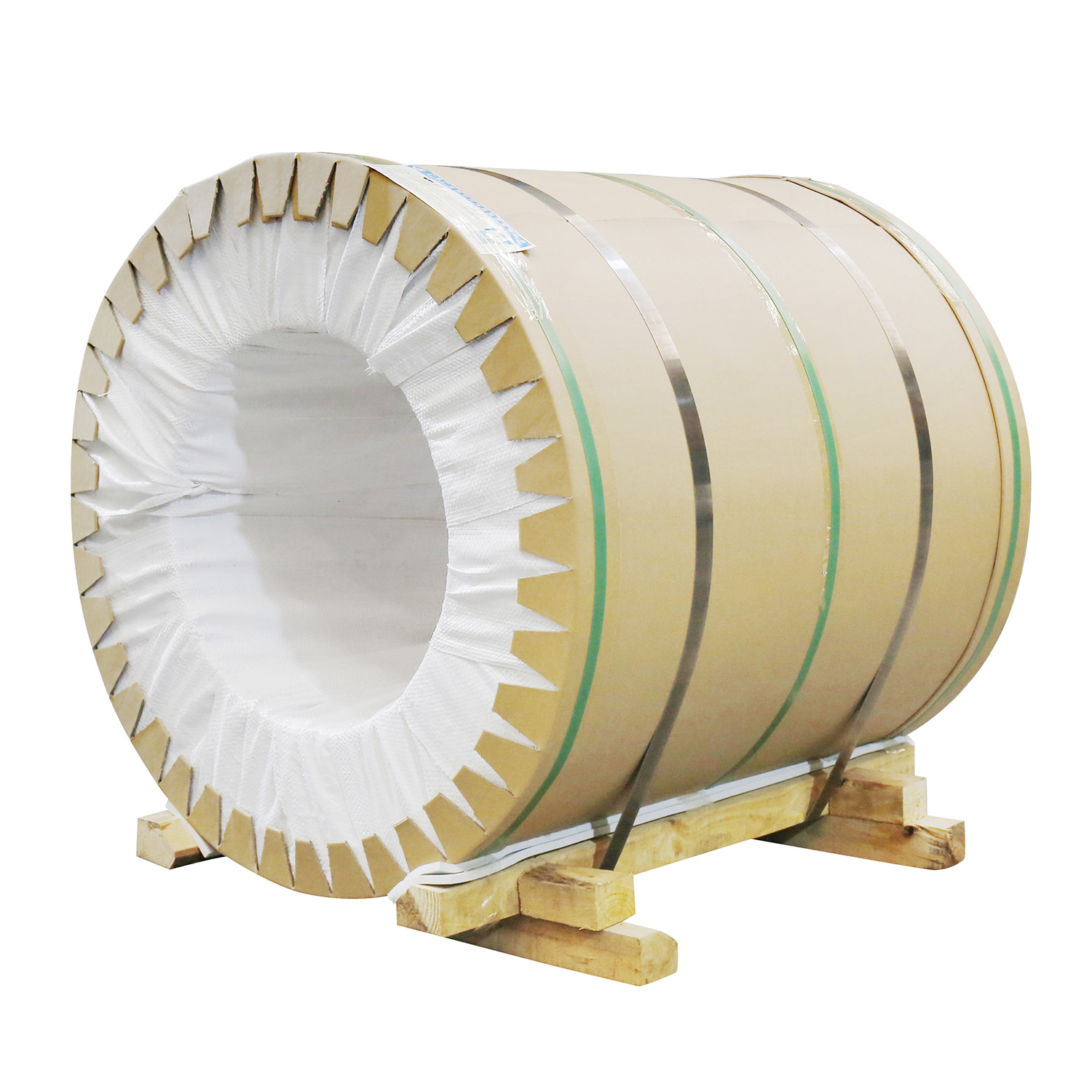
Applications include roofing panels, flashing, gutters, and structural roll-formed profiles. Manufacturers utilize flat aluminium coil to feed continuous roll-forming lines. The material is often post-painted to match specific architectural color requirements. Raw coils feed seamlessly into automated uncoilers. The uncoiled sheet moves through consecutive forming rollers. Once formed into the desired profile, the metal receives a protective powder coat. It might also receive a wet paint layer. This specific sequence prevents microscopic stress fractures in the paint. It extends the lifespan of the building material significantly. Architects prefer this method for creating durable, custom-colored facades.
Applications feature heat shields, structural paneling, and internal brackets. The intense demand for lightweight aluminium coil drives fuel efficiency across the automotive sector. Mill finish is specified heavily for non-cosmetic, hidden components. Aesthetics remain secondary to weight reduction and natural corrosion resistance here. Engineers prioritize the mechanical properties over surface appearance. A bare aluminium heat shield performs its thermal function perfectly without decorative coatings. This saves unnecessary processing steps on the assembly line. It keeps vehicle production lean and highly efficient.
Applications cover pipe jacketing, ductwork, and industrial tank cladding. The raw finish provides sufficient natural oxidation resistance. This suits internal or industrial environments perfectly. It minimizes material costs for large-scale infrastructure projects. A thin, naturally occurring oxide layer forms on the metal shortly after rolling. This layer prevents further deep corrosion. Plant managers rely on this natural protection. They wrap insulated pipes and chemical tanks securely. The bare metal performs reliably for decades. You rarely need expensive maintenance or repainting in these utility-focused applications.
Matching the correct alloy to your process ensures manufacturing success. Different alloys offer distinct mechanical benefits. We break down the primary series used in industrial applications below. Selecting the wrong grade causes cracking, tool wear, or structural failure.
Alloy Series Comparison Chart
Alloy Series | Common Grades | Key Outcomes | Primary Use Cases |
|---|---|---|---|
1000 Series | 1050, 1060 | High thermal/electrical conductivity; maximum workability. | Chemical equipment, heat exchangers, food packaging. |
3000 Series | 3003, 3105 | Moderate strength; excellent formability and welding. | General manufacturing, building materials, stamping. |
5000 Series | 5052, 5754 | High tensile strength; superior saltwater resistance. | Marine components, transportation chassis, pressure vessels. |
The 1000 Series provides high thermal and electrical conductivity. These alloys offer maximum workability. You will find them primarily in chemical equipment and heat exchangers. The metal bends and forms easily. It contains 99% pure aluminium. This purity makes it highly resistant to chemical attack. However, it lacks high structural strength. You should not use it for load-bearing applications.
The 3000 Series delivers moderate strength. It boasts excellent formability and welding characteristics. Manufacturers use it for general manufacturing, building materials, and stamping. The addition of manganese increases its durability. You can form it into complex shapes reliably. It serves as the standard workhorse for general sheet metal fabrication. It handles moderate drawing and bending operations smoothly.
The 5000 Series offers high tensile strength. It features superior saltwater corrosion resistance. Applications include marine components and transportation chassis. Magnesium serves as the primary alloying element here. It hardens the metal significantly. You must apply more force during bending. It performs exceptionally well in harsh, wet environments. Operators must account for its higher yield strength when setting up press brakes.
Without a protective layer, mill finish remains highly susceptible to damage. Handling scratches and abrasions occur easily during uncoiling and stamping. Operators must calibrate automated feeding equipment carefully. Dirty rollers will imprint debris directly into the soft metal surface. We recommend using felt-lined guides on all machinery. You should also maintain strict cleanliness standards around the uncoiler. Inspect handling equipment daily to prevent continuous scratch lines across an entire batch.
Exposure to moisture causes severe issues. Fluctuating temperatures during storage create condensation. This moisture leads to "white rust" or water staining. White rust compromises subsequent painting or anodizing adhesion. It creates a chemical barrier between the metal and the applied coating. You must remove it mechanically or chemically. This adds unplanned labor expenses. Store all inventory in climate-controlled warehouses. Avoid placing raw metal near open doors or damp areas.
Manufacturers must factor in pre-treatment processes. You cannot paint raw metal directly off the coil. The surface contains residual rolling oils from the mill. You must implement industrial cleaning, degreasing, and etching processes. These steps prepare the surface before applying final surface coatings. A properly etched surface guarantees strong paint adhesion. Skipping this step leads to peeling and product failure. Plan your factory layout to include robust washing stations.
Sourcing a reliable Aluminium Coil partner requires strict evaluation. You must verify their quality control processes. A poor supplier disrupts your entire production schedule.
Follow these criteria when vetting a new material partner:
Verify Dimensional Tolerances: Ensure the supplier guarantees consistent gauge (thickness) and width. Variations cause jamming in automated feeding equipment. Uneven thickness also alters the bending radius. This leads to rejected parts on the assembly line. Request their acceptable tolerance charts before ordering.
Request Material Traceability: Demand certified Mill Test Certificates (MTCs). These documents verify chemical composition and tensile strength. They confirm adherence to ASTM or EN standards. You need this documentation for your own ISO compliance. Never accept materials without verifiable origin paperwork.
Evaluate Packaging and Logistics: Check the supplier's packaging standards meticulously. They must mitigate transit damage and moisture ingress. Poor packaging ruins perfect metal.
Consider these packaging details:
Eye-to-sky versus eye-to-wall orientation impacts unloading safety. Ensure your forklifts can handle their chosen orientation safely.
Desiccant use prevents internal condensation during ocean transit. Verify they include sufficient silica packets inside the wrapping.
Waterproof wrapping protects the metal from unpredictable weather. Demand multi-layer plastic and hardboard protection.
Mill finish aluminium provides maximum fabrication flexibility. It delivers strict cost control for manufacturers equipped to handle raw materials. You bypass the premiums associated with pre-treated metals. This keeps your procurement budget lean. Assess your facility's internal processing capabilities carefully. Evaluate your current cleaning and coating infrastructure. Compare these capabilities against the structural requirements of your product. This comparison determines the optimal alloy and temper for your specific application. Stop overpaying for pre-finished metals if your process supports raw coils. Request a material sample today. Download a technical data sheet for further analysis. Consult your engineering team to discuss alloy recommendations for your next production run.
A: Yes, but it will naturally oxidize, forming a dull grey patina. For aesthetic consistency or extreme environments, post-fabrication treatment is recommended.
A: Mill finish is the raw metal direct from the rolling mill. Anodized aluminium has undergone an electrochemical process to artificially thicken the protective oxide layer.
A: Store coils in a climate-controlled, dry environment. Keep them in their original factory wrapping with desiccants until immediately before processing to prevent condensation.


 English


