
Views: 0 Author: Site Editor Publish Time: 2026-09-16 Origin: Site


Procuring metal materials for building projects demands precise specifications. Selecting the wrong surface finish often leads to premature coating failure. Chalking, peeling, and compromised structural integrity can quickly ruin an entire project's aesthetic and function. You risk unnecessary procurement bloat if you over-specify. Conversely, you face disastrous degradation if you under-specify.
Balancing environmental exposure risks like harsh UV rays, coastal salt, and urban pollution against fabrication requirements and strict project budgets is a difficult daily task. Engineers and procurement teams need reliable data to make informed material choices.
This article provides a transparent, specification-driven framework to simplify this process. We will help you carefully evaluate and shortlist the correct surface finishes for commercial and industrial applications. You will learn how to match your exact processing needs with long-lasting material performance.
PVDF is the industry standard for exterior facades due to its superior UV and chemical resistance, but it carries a cost premium over PE.
Polyester (PE) coatings offer optimal ROI for interior applications, temporary structures, and mild exterior environments.
Proper surface preparation (Ra values) and verifiable coating thickness (microns) are more critical to longevity than the coating brand itself.
Evaluating "flat aluminium coil" requires matching the finish's flexibility (T-bend test performance) to your specific roll-forming or stamping processes.
Industry professionals often confuse mechanical metal finishes and applied chemical surface coatings. We must distinguish between these two categories to ensure proper material specification. They perform entirely different functions in an architectural environment.
A mechanical finish alters the physical texture of the raw metal itself. Mill finish, brushed textures, and embossed patterns fall into this category. They provide structural baselines or specific tactile properties. In contrast, applied chemical coatings like Polyester (PE), Polyvinylidene Fluoride (PVDF), or Epoxy add a protective resin layer over the metal. These liquid or powder coatings cure to form a barrier against environmental damage while providing distinct colors.
The underlying alloy directly influences how well a coating performs. Typical construction grades include the 3000 series (like 3003 or 3004) and the 5000 series (like 5052). A 3000 series alloy offers excellent workability, making it ideal for standard architectural panels. The 5000 series provides higher tensile strength and marine-grade corrosion resistance. When you procure aluminium coil, the raw surface roughness of the metal dictates mechanical adhesion. If the metal surface is too smooth, the paint has nothing to grip. If it is too rough, the coating will not flow evenly, leaving microscopic pinholes.
A premium coating brand will fail rapidly if applied to a poorly prepared mill-finish coil. Manufacturers must perform strict chemical conversion treatments before applying any paint. These pre-treatments, such as chromate or modern non-chromate conversion coatings, chemically alter the metal surface. They create a microscopic crystalline layer binding the raw aluminum to the primer. Skip this step, and even the most expensive topcoat will delaminate under mild stress.
Navigating the options requires understanding the specific strengths and weaknesses of each finish. Let us examine the four primary finishes used in the construction sector.
Mill finish is the raw, untreated state of the metal as it exits the rolling mill. It holds a natural silver appearance featuring minor extrusion lines.
Best for: Concealed roofing elements, structural backing, flashing, or projects handling their own post-fabrication finishing.
Limitations: Uncoated aluminum naturally forms a protective oxide layer when exposed to air. However, this process dulls the finish over time. It remains highly susceptible to surface oxidation and staining. We do not recommend mill finish for aesthetic exterior exposure.
Polyester coatings utilize a synthetic resin balancing cost and performance. They dominate the interior architectural market.
Best for: Interior wall panels, corporate signage, ceiling grids, and temporary partition walls.
Features-to-Outcomes: PE is highly cost-effective. It offers a vast color palette featuring high gloss options. However, standard PE resins degrade faster under intense UV exposure compared to premium alternatives. You can expect an exterior lifespan of 5 to 10 years before noticeable chalking or fading occurs.
PVDF is a fluoropolymer resin known for its extreme chemical stability. It represents the gold standard for monumental architecture.
Best for: High-rise facades, premium exterior roofing, curtain walls, and harsh coastal environments.
Features-to-Outcomes: PVDF delivers exceptional color retention and chemical resistance. A properly formulated PVDF system easily achieves an expected lifespan of 15 to 20+ years in brutal climates. Premium variations follow strict AAMA 2605 standards, requiring rigorous real-world weathering tests.
Anodizing is an electrochemical process thickening the natural oxide layer on the metal surface. It integrates directly into the metal rather than sitting on top.
Best for: High-traffic architectural elements requiring metallic aesthetics and extreme scratch resistance, such as storefronts and handrails.
Limitations: Batch-to-batch color consistency is notoriously difficult to maintain across large flat aluminium coil orders. The final color depends on slight variations in the alloy composition and processing bath temperatures. Additionally, heavy anodized layers are brittle and may crack during tight roll-forming operations.
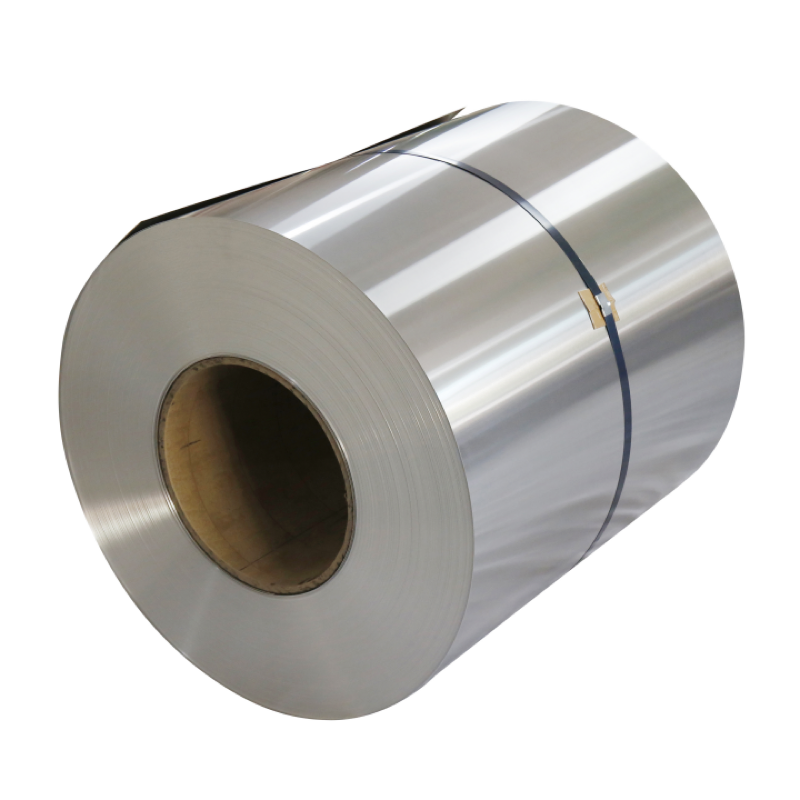
Selecting a finish requires more than picking a color from a catalog. Procurement professionals must evaluate physical performance metrics against project demands.
Chart: Comparison of Key Coating Performance Metrics
Performance Metric | Standard PE | High-Durable PE (HDP) | PVDF (Fluoropolymer) |
|---|---|---|---|
UV Resistance (Color Fading) | Low to Moderate | Good | Excellent |
Flexibility (Formability) | Excellent | Good | Moderate to Good |
Chemical Resistance | Moderate | Good | Outstanding |
Upfront Cost | Lowest | Moderate | Highest |
Buyers often focus heavily on the upfront cost per metric ton. PE coatings consistently beat PVDF in initial pricing. However, true value requires evaluating long-term maintenance and replacement costs. If you specify standard PE for a south-facing exterior facade, you will face repainting costs within a decade. The labor and scaffolding required to repaint a building far exceed the initial premium paid for factory-applied PVDF. Always match the coating's durability to the building's expected design life.
Construction metal rarely stays flat. Fabricators subject the material to bending, stamping, and roll-forming. We must evaluate how different finishes handle these mechanical stresses. The industry measures flexibility using a T-bend test. A highly flexible PE coating easily achieves a 0T or 1T bend rating, preventing micro-fracturing along tight edges. Heavy anodized layers perform poorly here; they often micro-crack during tight-radius bending. PVDF generally offers good formability but requires careful primer formulation to ensure it stretches without delaminating.
Marketing brochures often use vague terms like "weatherproofing." Real engineering relies on hard data. You must reference specific industry standards like ASTM (American Society for Testing and Materials) and AAMA (Architectural Aluminum Manufacturers Association). For exterior coatings, demand accelerated salt spray test data (ASTM B117) and UV exposure results. AAMA 2605 compliance, for instance, requires a coating to endure ten years of harsh South Florida sun while maintaining strict chalking and fading limits.
Every building component faces unique environmental pressures. Specifying the exact same construction aluminium coil finish for every part of a project wastes money and invites failure.
Table: Standard Coating Thickness Requirements
Application Area | Coating System Type | Minimum Primer (µm) | Minimum Topcoat (µm) |
|---|---|---|---|
High-Rise Exterior Facade | 2-Coat PVDF | 5 - 7 | 20 - 25 |
Residential Roofing | HDP or PE | 5 | 15 - 20 |
Interior Wall Panels | Standard PE | 5 | 10 - 15 |
Commercial building compliance makes specific demands for exterior facades. Aluminum Composite Panels (ACP) or solid aluminum sheets used on high-rises face relentless sun, wind, and rain. For these applications, a PVDF coating is non-negotiable. Industry best practices dictate a minimum 25-micron total dry film thickness, achieved via a two-coat system (primer plus topcoat). Skipping the primer or accepting a thinner topcoat compromises the fluoropolymer's protective abilities, leading to rapid chalking.
Roofing endures direct, punishing sunlight and standing moisture. While PVDF remains the premium choice, High-Durable Polyester (HDP) serves as an excellent middle-ground alternative for residential or light-commercial roofing. HDP utilizes advanced resins offering significantly better UV resistance than standard PE, without reaching the high cost of PVDF. HDP provides excellent scratch resistance, protecting the roof during installation when workers walk across the panels.
The signage industry uses blank metal coils differently. When procuring material for corporate signs or traffic boards, extreme UV resistance from the factory paint matters less if you plan to cover the metal with vinyl wraps or digital printing inks. Here, the coating requirements prioritize surface smoothness and adhesion. You need a paint formulation designed specifically to accept secondary inks. Standard PE excels here, providing a pristine, highly adhesive surface at a manageable cost.
Sourcing metal internationally introduces significant quality control risks. A poorly manufactured finish looks identical to a premium one on the day it arrives. The defects only emerge years later. You must verify supplier claims before placing bulk orders.
Surface Roughness Average (Ra) dictates coating adhesion. During the milling process, rollers impart a specific texture to the metal. If the Ra value is too low, the surface acts like glass, and the primer cannot bite into the substrate. A poor Ra value inevitably leads to delamination under mechanical stress. Always ask suppliers to confirm their standard Ra tolerances for pre-painted materials.
Suppliers sometimes cut costs by thinning the paint application. You must audit these claims strictly. Instruct buyers to request independent lab reports verifying top-coat and primer thickness. Manufacturers measure this thickness in microns (µm). A standard exterior PVDF system requires at least 25µm in total. Accept no less. Use handheld digital coating thickness gauges to verify the material upon delivery.
You can identify unreliable suppliers by watching for specific red flags during the evaluation process.
Refusing to specify the paint resin supplier: Reputable mills proudly advertise partnerships with global paint brands (like PPG or Beckers). Vague answers indicate cheap, unverified resins.
Prices that seem too good to be true: PVDF resin relies on expensive raw materials. If a supplier offers PVDF at prices matching standard PE, they are likely diluting the fluoropolymer content well below the industry-standard 70% threshold.
Lack of T-bend test data: If a supplier cannot provide factory test reports showing how their coated metal handles mechanical bending, they lack basic quality control infrastructure.
Common Mistake: Never accept verbal assurances of "AAMA compliance." Demand the actual test certificates proving the specific batch formulation passes the required accelerated weathering protocols.
Selecting the right surface finish constitutes a critical engineering decision, not just an aesthetic one. Your choice directly impacts structural longevity, maintenance budgets, and building compliance. Understanding the distinct roles of mill finishes, PE, and PVDF empowers you to eliminate guesswork.
Before requesting quotes, advise your procurement teams to define specific parameters. You must clarify the expected environmental exposure, required warranty period, and precise fabrication methods. Aligning these factors ensures you purchase the exact performance grade required.
Take action immediately by upgrading your procurement standard operating procedures. Encourage your buyers to request technical data sheets (TDS) alongside commercial quotes. Furthermore, always demand physical coated samples to conduct in-house bend testing before committing to large-scale production orders.
A: PVDF is generally 20% to 40% more expensive per metric ton than standard PE. This price premium stems from the high cost of fluoropolymer resins required for extreme UV resistance. While the initial procurement cost is higher, PVDF offers vastly superior long-term ROI for exterior architecture by eliminating the need for expensive repainting cycles.
A: Yes, roll-forming prepainted or coil-coated material is standard industry practice. However, you must specify the correct paint flexibility to avoid cracking. Manufacturers measure this via a T-bend rating. Ensure the coating's flexibility matches your machinery's bend radius to prevent microscopic fractures during fabrication.
A: You cannot easily replicate factory coil coatings on a construction site. Repairing a failing surface requires highly specialized architectural field-painting. This process involves stripping, re-priming, and applying air-cured paints, which rarely match factory durability. This harsh reality reinforces why getting the initial coil specification right is critical.


 English


