
Views: 0 Author: Site Editor Publish Time: 2026-03-23 Origin: Site


Coated aluminium coil is widely used in construction, transportation, appliances, and industrial equipment because of its excellent corrosion resistance and long service life. However, many buyers still ask an important question: does coated aluminium coil rust? This question is common, especially for users who are familiar with steel or galvanized metal products that can easily rust in humid or outdoor environments.
In fact, coated aluminium coil behaves very differently from steel. Aluminum does not rust in the same way as iron-based metals, and when a protective coating such as PE or PVDF is applied, the material becomes even more resistant to moisture, sunlight, and chemicals. Because of this, coated aluminium coil is often chosen for outdoor applications where long-term durability is required.
To understand why coated aluminium coil has strong corrosion resistance, it is important to know how aluminum reacts with air, how coating protects the surface, and under what conditions corrosion may still occur. This article explains in detail whether coated aluminium coil rusts, how coating improves durability, and how to choose the right material for different environments.
Coated aluminium coil does not rust like steel because aluminum does not contain iron, which is the main element that causes rust. Rust is a type of corrosion that occurs when iron reacts with oxygen and moisture, forming iron oxide. Since aluminum is a different metal, it does not produce rust in the same way. Instead, aluminum naturally forms a thin oxide layer on its surface, which protects the metal from further damage.
When aluminum coil is coated with protective paint such as polyester (PE) or PVDF, the corrosion resistance becomes even stronger. The coating acts as a barrier between the metal and the environment, preventing water, air, and chemicals from reaching the aluminum surface. Because of this, coated aluminium coil can be used in outdoor construction, appliances, transportation, and industrial equipment without the risk of rust that is common with steel materials.
However, although coated aluminium coil does not rust easily, the correct coating type and thickness must be selected according to the environment. In harsh conditions such as coastal areas or industrial zones, stronger coating protection is required to ensure long service life.
Aluminum and steel behave differently when exposed to air and moisture. Steel contains iron, which reacts with oxygen and water to form rust. Aluminum does not contain iron, so it cannot rust in the same way. Instead, aluminum reacts with oxygen to form a thin aluminum oxide layer on the surface.
This oxide layer is very stable and protects the metal underneath from further corrosion. Even if the surface is scratched, the oxide layer can form again, providing natural protection. Because of this property, aluminum is often used in outdoor and marine environments where rust resistance is important.
Material | Reaction with Moisture | Result |
Steel | Forms iron oxide | Rust |
Galvanized steel | Zinc layer corrodes first | Protection but limited |
Aluminum | Forms oxide layer | Natural protection |
Coated aluminium coil | Coating + oxide layer | Strong protection |
This natural resistance is one of the main reasons why coated aluminium coil is widely used in industries that require long-term durability.
Although aluminum already has good corrosion resistance, coating greatly improves its performance. The coating layer creates a physical barrier that prevents air, water, and chemicals from reaching the metal surface. This is especially important in outdoor environments where sunlight, rain, and pollution can damage unprotected metal.
The coating covers the aluminum surface completely, stopping moisture and oxygen from contacting the metal. This reduces the chance of corrosion and keeps the surface smooth and clean for a long time.
Sunlight can damage many materials over time. High-quality coatings such as PVDF provide strong resistance to ultraviolet radiation, preventing fading, cracking, or peeling. This is why coated aluminium coil is often used for roofing, wall panels, and facade systems.
In industrial or coastal environments, chemicals and salt air can cause corrosion. The coating protects the aluminum from these conditions, allowing the material to maintain its strength and appearance.
Because of these protective functions, coated aluminium coil usually lasts much longer than uncoated metal.
Although coated aluminium coil has strong corrosion resistance, it is not completely immune to damage. In very harsh environments, corrosion may occur if the coating type, thickness, or alloy selection is not suitable.
Salt air contains chloride, which can damage metal surfaces over time. In coastal environments, standard coatings may not provide enough protection, so PVDF or special anti-corrosion coatings are recommended.
Factories and heavy industry areas may release chemicals and smoke into the air. These substances can slowly weaken the coating if it is not designed for chemical resistance.
Constant moisture can enter small scratches or weak areas in the coating. Over time, this may cause corrosion under the coating layer.
Using indoor coating for outdoor applications can shorten the service life. Choosing the correct coated aluminium coil for the environment is very important to avoid corrosion problems.
Different coating types provide different levels of protection. Choosing the correct coating is one of the most important factors in preventing corrosion.
PE coated aluminium coil is economical and suitable for indoor use or mild environments. It has good flexibility and appearance but lower resistance to strong sunlight and harsh weather.
PVDF coated aluminium coil has excellent weather resistance, UV resistance, and corrosion protection. It is widely used in outdoor construction, curtain walls, and roofing systems where long service life is required.
Functional coatings such as epoxy, anti-corrosion, or heat-resistant coatings are used in industrial equipment, marine environments, and power facilities. These coatings provide extra protection against chemicals and extreme conditions.
Coating Type | Typical Use | Corrosion Resistance |
PE | Indoor / decoration | Medium |
PVDF | Outdoor / construction | High |
Epoxy | Industrial / chemical | Very high |
Special coating | Marine / energy | Very high |
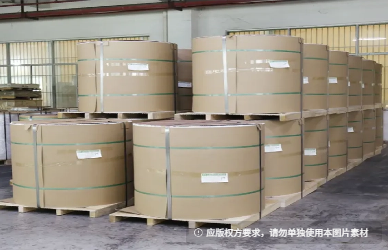
Proper selection, storage, and installation can greatly reduce the risk of corrosion. Even high-quality coated aluminium coil may fail if it is used incorrectly.
Outdoor projects should use PVDF or stronger coatings, while indoor applications may use PE coating. Corrosion-resistant alloys should be used in humid or coastal environments.
Scratches, bending errors, or improper cutting can break the coating layer. Once the coating is damaged, moisture may reach the aluminum surface.
Coated aluminium coil should be stored in a dry and clean place. Water, dust, and chemicals should be avoided during storage.
Checking the surface condition and cleaning dust or salt can help keep the coating in good condition.
With correct use, coated aluminium coil can remain rust-free for many years.
Many buyers compare coated aluminium coil with other metal materials. Each material has advantages, but aluminum often provides better corrosion resistance.
Material | Rust Resistance | Weight | Maintenance | Lifespan |
Steel | Low | Heavy | High | Medium |
Galvanized steel | Medium | Heavy | Medium | Medium |
Stainless steel | High | Heavy | Low | Long |
Coated aluminium coil | High | Light | Low | Long |
Because of its light weight and corrosion resistance, coated aluminium coil is often the best choice for outdoor structures and equipment.
Aluminum will not rust like steel because it does not contain iron, but deep scratches may damage the protective coating and expose the metal surface to moisture, salt, or chemicals. In harsh environments such as coastal or industrial areas, this may lead to surface corrosion over time. To avoid this problem, it is important to use the correct coating thickness and handle the coated aluminium coil carefully during transportation and installation.
Yes, coated aluminium coil can be used in marine or coastal environments, but the correct coating type must be selected. PVDF coating or special anti-corrosion coatings are recommended because they provide stronger resistance to salt air, humidity, and sunlight. Using the right alloy and proper coating thickness can greatly improve durability and ensure the material maintains stable performance for many years.
In most cases, thicker coating provides better protection because it creates a stronger barrier against moisture, air, and chemical exposure. However, coating quality is also important, not only thickness. A high-quality coating with proper adhesion and curing will perform better than a thick but low-quality coating. Choosing the correct combination of coating type, thickness, and alloy is the best way to achieve long service life.
Yes, coated aluminium coil can be repainted if necessary, but the surface must be properly cleaned and treated before applying new paint. Dust, oil, or damaged coating should be removed to ensure good adhesion. However, factory-applied coating is usually more durable because it is applied under controlled conditions with high-temperature curing, so repainting is generally used only for repair or maintenance instead of original production.
 Conclusion
Coated aluminium coil does not rust like steel because aluminum naturally forms a protective oxide layer, and the coating adds an extra barrier against moisture, air, and chemicals. With proper coating such as PE, PVDF, or special functional layers, coated aluminium coil can maintain strong corrosion resistance even in outdoor and industrial environments. However, the correct coating type, thickness, and alloy must be selected according to the application conditions to ensure long service life. When used properly, coated aluminium coil provides reliable protection, stable appearance, and excellent durability for construction, transportation, appliances, and industrial equipment.


 English


